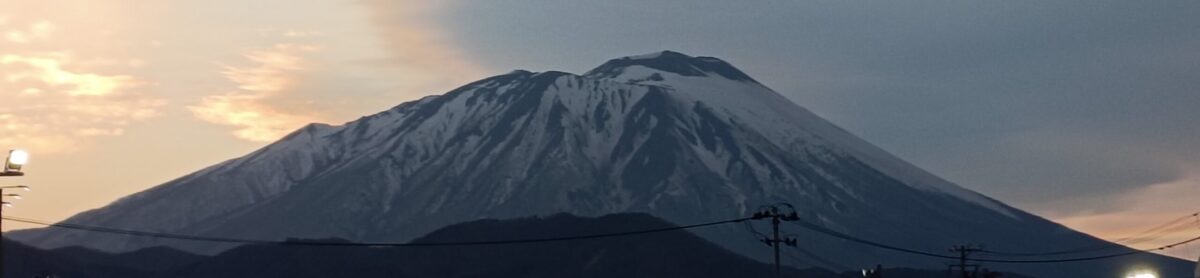
From Tono’s Kappa to Morioka’s Demon: A Mythical Journey Tracing the Origins of Iwate

岩手県という名前そのものが、実はひとつの巨大な神話によって刻印されていることをご存知でしょうか。この地は、目に見えない存在たちが人間と共生し、時には歴史を動かしてきた「物語の集積地」です。今回は、遠野の象徴である「河童」から、県都・盛岡の名の由来となった「鬼」の伝説まで、岩手の精神的なルーツを辿る旅へご案内します。

遠野の河童:異界との境界線
遠野物語で語られる河童は、単なる愛らしいキャラクターではありません。それは、自然の猛威や人知を超えた現象の象徴であり、人間が「異界」に対して抱く畏怖の念が形を成したものです。カッパ淵の静寂の中に身を置くと、現代社会が忘れ去った「自然への謙虚さ」を思い起こさせます。

盛岡の鬼と「岩手」の起源
一方、盛岡市の三ツ石神社には、さらにダイナミックな神話が残っています。かつてこの地で暴れていた鬼「羅刹」が、神様の力に屈し、二度と悪さをしない誓いとして巨大な岩に手形を残しました。これこそが「岩に手形」、つまり**「岩手」**という県名の由来そのものなのです。

遠野の水の精霊と、盛岡の岩の巨像。これら二つの物語を繋ぐことは、岩手という土地が持つ「目に見えない力」を紐解く作業に他なりません。


Did you know that the name "Iwate" itself is inscribed by a single, grand myth? This land is a "collection of narratives" where invisible beings have coexisted with humans and, at times, shaped history. In this article, we journey through Iwate’s spiritual roots, from the "Kappa" (water imps)—the symbols of Tono—to the legend of the "Demon" that gave the capital city of Morioka its name.

Tono’s Kappa: The Boundary with the Otherworld
The Kappa depicted in "The Tales of Tono" are more than just cute characters. They represent the fury of nature and phenomena beyond human understanding—the embodiment of the awe humans felt toward the "otherworld." Standing in the silence of Kappabuchi pool reminds us of the "humility toward nature" that modern society has long forgotten.

The Demon of Morioka and the Origin of "Iwate"
Meanwhile, at Mitsuishi Shrine in Morioka City, an even more dynamic myth remains. Long ago, a demon named "Rasetsu" who terrorized the area was defeated by the power of a god. As a vow never to cause trouble again, he left his handprint on a massive rock. This "handprint on the rock" (Iwa-te) is the very origin of the prefecture's name.

From the water spirits of Tono to the stone monoliths of Morioka—connecting these two stories is nothing less than unraveling the "invisible power" that the land of Iwate holds.
タグ: 遠野
遠野の霊気から二戸の湯けむりへ:南部藩に息づく伝承と癒やしの旅 / From Tono’s Spirits to Ninohe’s Steam: A Journey into the Folklore and Healing Traditions of the Nanbu Domain
Explore the mysterious legends of Tono and the healing waters of Kindaichi Onsen. A journey through the history of the Nanbu Domain awaits in Iwate. Discover the intersection of spirit and rest. #VisitIwate #Morioka #Tono #KindaichiOnsen #JapanHistory
[Area] North
[Category] Landmarks & History
遠野の「異界」と、二戸の「湯治」。一見すると遠く離れた二つの文化ですが、かつて岩手を治めた南部藩という大きな歴史の枠組みの中で、これらは密接に繋がっています。遠野で育まれた「座敷わらし」の伝承が示すのは、人間と精霊が隣り合わせで暮らす世界観。そして、県北の金田一温泉で受け継がれてきた湯治文化は、厳しい北国の冬を生き抜くための身体的知恵です。本記事では、岩手の精神性と身体性が交差する歴史の旅路を辿ります。
From Tono’s Spirits to Ninohe’s Steam: A Journey into the Folklore and Healing Traditions of the Nanbu Domain
The “otherworld” of Tono and the “hot spring healing” (toji) of Ninohe. At first glance, these may seem like two separate cultures, but they are deeply intertwined within the grand historical framework of the Nanbu Domain, which once ruled over Iwate. The legend of the Zashiki-warashi born in Tono reveals a worldview where humans and spirits coexist side by side. Meanwhile, the toji culture preserved at Kindaichi Onsen in the north represents the physical wisdom necessary to survive the brutal winters of the northern lands. In this article, we trace a historical journey where Iwate’s spirituality and physicality intersect.
獣の鼓動と山の記憶—鹿踊りからマタギの深淵、遠野の妖怪譚へ / The Pulse of the Beast and the Memory of the Mountains: From Shishi-odori to the Matagi and the Tales of Tono
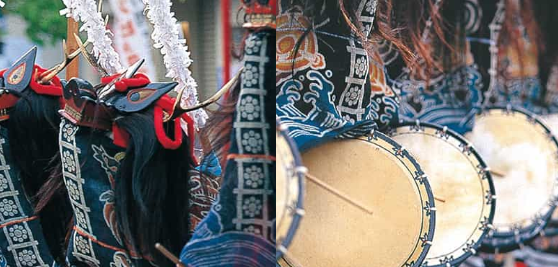
岩手県は、単なる観光地ではありません。ここは、現代社会が忘れ去った「自然への畏怖」と「精霊との共生」が、今なお色濃く残る場所です。胸に太鼓を抱き、獣の魂を憑依させて舞う鹿踊り(ししおどり)。険しき山々で命のやり取りを神聖な儀式として昇華させたマタギの狩猟術。そして、柳田國男の『遠野物語』が描き出した、境界線上の妖怪たち。これらはバラバラの民俗芸能ではなく、岩手の山々が紡いできた一つの壮大な物語の断片なのです。
The Pulse of the Beast and the Memory of the Mountains: From Shishi-odori to the Matagi and the Tales of Tono
Iwate Prefecture is not merely a tourist destination; it is a place where the “awe of nature” and “coexistence with spirits”—elements often forgotten by modern society—still breathe with vivid intensity.
There is the Shishi-odori (Deer Dance), where dancers clutch drums to their chests and dance as if possessed by the souls of beasts. There are the hunting traditions of the Matagi, who transformed the life-and-death struggle in the rugged mountains into a sacred ritual. And then, there are the yokai (supernatural beings) dwelling on the threshold of reality, as immortalized in Kunio Yanagita’s “The Tales of Tono.” These are not isolated pieces of folklore, but fragments of a single, grand epic woven over centuries by the mountains of Iwate.
岩手の食の源流を巡る:遠野の羊と小岩井農場の開拓精神 / Tracing the Origins of Iwate’s Cuisine: Tono’s Sheep and the Pioneering Spirit of Koiwai Farm
From the sheep-rearing history of Tono to the pioneering dairy legacy of Koiwai Farm
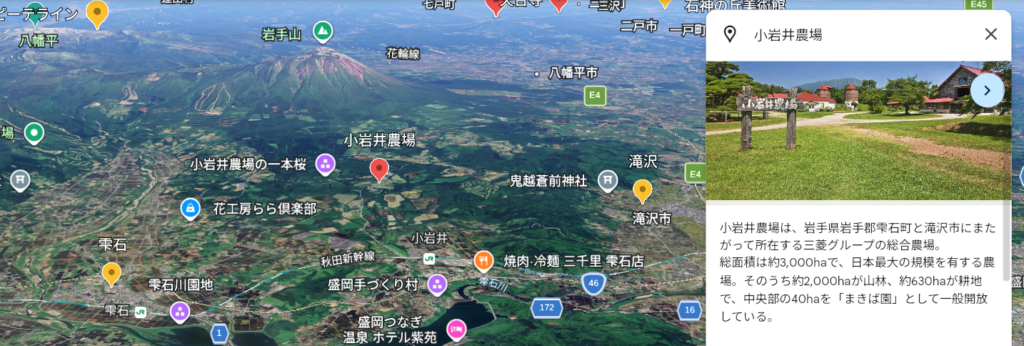
岩手県の食文化を語る上で欠かせないのが、大地と共生してきた畜産の歴史です。遠野のジンギスカンに代表される羊文化、そして雫石町・小岩井農場が切り拓いた近代酪農の系譜。これらは単なる観光名所やご当地グルメではなく、明治期から続く日本の近代化の縮図とも言える物語です。岩手の豊かな大地がどのようにして食の産業へと昇華されたのか、その歴史の点と線を紐解いていきましょう。
To discuss the food culture of Iwate Prefecture, one cannot overlook the history of livestock farming, which has long existed in harmony with the land. From the sheep culture exemplified by Tono’s Genghis Khan to the lineage of modern dairy farming pioneered at Koiwai Farm in Shizukuishi, these are not merely tourist spots or local delicacies. They are stories that serve as a microcosm of Japan’s modernization since the Meiji era. Let us unravel the history of how Iwate’s rich land was transformed into a thriving industry, connecting the dots of its past.
遠野の羊文化とジンギスカンの歴史
The Sheep Culture of Tono and the History of Genghis Khan
遠野市で親しまれる「遠野ジンギスカン」は、単なる名物料理ではありません。それは、大正から昭和初期にかけて国策として進められた「綿羊(羊)飼育」の歴史の名残です。当時、日本は毛織物の原料となる羊毛の自給を目指し、岩手の冷涼な気候が羊の飼育に適しているとして、遠野は一大産地となりました。やがて羊毛だけでなく、その肉を食べる習慣が地元に根付き、独特のタレと柔らかいラム肉を味わう「遠野ジンギスカン」という食文化が完成しました。遠野のジンギスカンを味わうことは、かつて日本の産業を支えようとした人々の情熱を追体験することに他なりません。
Tono Genghis Khan: A Flavorful Legacy of Industry and Passion
“Tono Genghis Khan,” a beloved dish in Tono City, is far more than just a local specialty. It is a flavorful legacy of Japan’s national history, tracing back to the sheep farming initiatives of the Taisho and early Showa eras.
During that period, Japan sought to achieve self-sufficiency in wool production, and Tono’s cool climate proved ideal for sheep, transforming the region into a major hub for the industry. Over time, the custom of eating the meat—not just harvesting the wool—became deeply rooted in the community. This gave rise to the unique culinary culture of “Tono Genghis Khan,” celebrated for its signature sauce and tender lamb. To savor this dish is to experience the enduring passion of the people who once strove to build Japan’s industrial foundation.
遠野の清流から三陸の荒波へ:岩手が織りなす静と動の絶景旅 / From the Gentle Streams of Tono to the Roaring Waves of Sanriku: A Journey Through Iwate’s Contrast of Stillness and Motion
From the mystical stillness of Tono’s Kappabuchi to the raw
岩手県の地図を眺めると、内陸の山あいを流れる穏やかな川と、太平洋の荒波が打ち付ける切り立った海岸線が、見事なコントラストを描いていることに気づきます。今回の旅のテーマは、この「水」が紡ぐ二つの表情です。民話の里・遠野の静謐な清流から、三陸のダイナミックな海蝕崖まで。岩手の自然が持つ「静」と「動」の物語を辿ることで、この地の奥深い魅力を再発見しましょう。
Kappabuchi: A Sanctuary of Silence Where Folklore Breathes
カッパ淵:民話が息づく静寂の聖域
遠野市の中心部から少し離れた場所にひっそりと佇む「カッパ淵」。ここは、かつてカッパが住んでいたと語り継がれる、岩手でも屈指の神秘的なスポットです。木々の緑を映し出すエメラルドグリーンの水面は、まるで時が止まったかのような静寂に包まれています。川沿いに並ぶ柳の木が風に揺れるたび、遠野物語の世界観がすぐそこにあるような錯覚を覚えます。ここは単なる観光地ではなく、日本人の心の原風景に触れることができる、精神的な避難所(サンクチュアリ)なのです。
Goishi Coast: The Art of Rugged Sea Cliffs
碁石海岸:三陸が誇る荒々しい海蝕崖の芸術
遠野から東へ、山を越えて大船渡市へと向かうと、そこには全く異なる「動」の世界が広がっています。三陸復興国立公園に位置する「碁石海岸」は、太平洋の荒波が数万年かけて彫り上げた芸術作品です。海岸を埋め尽くす黒い小石が、かつて碁石の材料として使われたことからその名がつきました。特に、波が打ち寄せるたびに轟音を響かせる「雷岩(かみなりいわ)」や、巨大な岩に空いた「穴通磯(あなとおしいそ)」の迫力は、地球の鼓動を肌で感じるほど強烈です。静かな川から、生命力あふれる海へ。このコントラストこそが、岩手の自然を理解するための鍵となるのです。
From Stillness to Motion: The Earth’s Heartbeat at Goishi Coast, Ofunato
Traveling east from Tono and crossing the mountains to Ofunato City, you are greeted by a completely different world of “motion.” Located within the Sanriku Fukko (Reconstruction) National Park, the “Goishi Coast” is a masterpiece of natural art, carved by the rough waves of the Pacific Ocean over tens of thousands of years. The name “Goishi” (Go stones) comes from the black pebbles covering the shore, which were once used as materials for the traditional board game Go.
The raw power of the “Kaminari-iwa” (Thunder Rock), which echoes with a roaring sound every time a wave strikes, and the “Anatoshi-iso,” a colossal rock formation with three massive holes, is intense enough to make you feel the very heartbeat of the Earth. From quiet rivers to the life-filled sea—this dramatic contrast is the essential key to understanding the true nature of Iwate.