南部曲り家の「絆」が拓いた近代化:釜石・橋野鉄鉱山と牛馬の輸送史 / The Bond of the Nanbu Magariya: How Horsepower Powered the Modernization of Kamaishi’s Hashino Iron Mine

Ever wondered how Japan’s industrial revolution began? It started with the bond between humans and horses in the Nanbu region. Discover the history of the Hashino Iron Mine and the legacy of the Magariya. A must-see in Iwate! #VisitIwate #Morioka #Kamaishi #History

[Area] Coast
[Category] Landmarks & History

岩手の風景を象徴する「南部曲り家」。L字型のこの家屋は、単なる建築様式ではありません。そこには、人と馬が家族同然に暮らす、この土地特有の深い共生関係が刻まれています。この「馬を愛し、共に生きる」という南部地方の文化が、実は明治時代の日本の近代化を支える巨大なエンジンとなっていたことは、あまり知られていません。今回は、世界遺産・橋野鉄鉱山へと続く歴史の点と線を紐解きます。

The Bond of the Nanbu Magariya: How Horsepower Powered the Modernization of Kamaishi’s Hashino Iron Mine

The “Nanbu Magariya” is an iconic symbol of the Iwate landscape. These L-shaped farmhouses are more than just an architectural style; they represent a deep, symbiotic relationship unique to this land, where humans and horses lived together as family. It is a little-known fact that this culture of “loving and living with horses” in the Nanbu region actually served as a powerful engine supporting Japan’s modernization during the Meiji era. In this article, we unravel the historical “dots and lines” that lead up to the World Heritage site, the Hashino Iron Mine.

遠野物語』からイーハトーブへ:岩手が紡ぐ幻想と現実の境界線

岩手県は、単なる地理的な場所ではありません。そこは、日本の深層心理に根ざした「物語」が息づく場所です。遠野の山々が囁く古の伝承と、花巻の空に宮沢賢治が描いた理想郷。この二つの視点は、岩手の精神的なランドスケープを理解するための「点と線」となります。本稿では、民俗学の聖地・遠野と、詩人の理想郷・花巻を巡り、岩手が持つ独特の物語宇宙を紐解きます。

From “The Tales of Tono” to Ihatov: The Boundary Between Fantasy and Reality Woven by Iwate

Iwate Prefecture is more than just a geographical location; it is a place where “narratives” rooted in the deep psyche of Japan breathe and thrive. From the ancient folklore whispered by the mountains of Tono to the utopia of “Ihatov” envisioned by Kenji Miyazawa in the skies of Hanamaki—these two perspectives act as the “dots and lines” that define Iwate’s spiritual landscape. In this article, we journey through Tono, the sacred land of folklore, and Hanamaki, the poet’s ideal world, to unravel the unique narrative universe that Iwate holds.

遠野の霊気から二戸の湯けむりへ:南部藩に息づく伝承と癒やしの旅 / From Tono’s Spirits to Ninohe’s Steam: A Journey into the Folklore and Healing Traditions of the Nanbu Domain

Explore the mysterious legends of Tono and the healing waters of Kindaichi Onsen. A journey through the history of the Nanbu Domain awaits in Iwate. Discover the intersection of spirit and rest. #VisitIwate #Morioka #Tono #KindaichiOnsen #JapanHistory

[Area] North
[Category] Landmarks & History

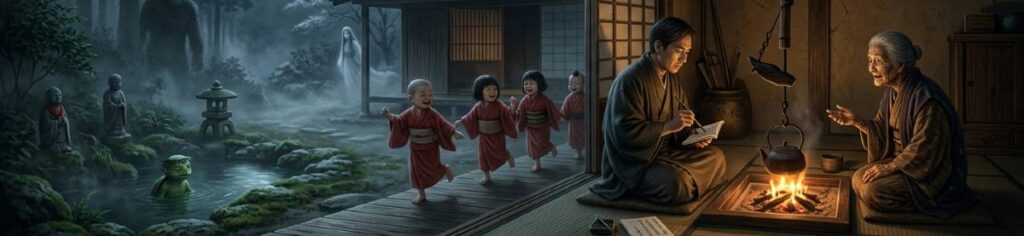
遠野の「異界」と、二戸の「湯治」。一見すると遠く離れた二つの文化ですが、かつて岩手を治めた南部藩という大きな歴史の枠組みの中で、これらは密接に繋がっています。遠野で育まれた「座敷わらし」の伝承が示すのは、人間と精霊が隣り合わせで暮らす世界観。そして、県北の金田一温泉で受け継がれてきた湯治文化は、厳しい北国の冬を生き抜くための身体的知恵です。本記事では、岩手の精神性と身体性が交差する歴史の旅路を辿ります。

From Tono’s Spirits to Ninohe’s Steam: A Journey into the Folklore and Healing Traditions of the Nanbu Domain

The “otherworld” of Tono and the “hot spring healing” (toji) of Ninohe. At first glance, these may seem like two separate cultures, but they are deeply intertwined within the grand historical framework of the Nanbu Domain, which once ruled over Iwate. The legend of the Zashiki-warashi born in Tono reveals a worldview where humans and spirits coexist side by side. Meanwhile, the toji culture preserved at Kindaichi Onsen in the north represents the physical wisdom necessary to survive the brutal winters of the northern lands. In this article, we trace a historical journey where Iwate’s spirituality and physicality intersect.

岩手の食の源流、軽米の雑穀とわんこそばの物語 / The Roots of Iwate’s Flavor: Millet Culture in Karumai and the Story of Wanko Soba

わんこそばの精神と雑穀の記憶

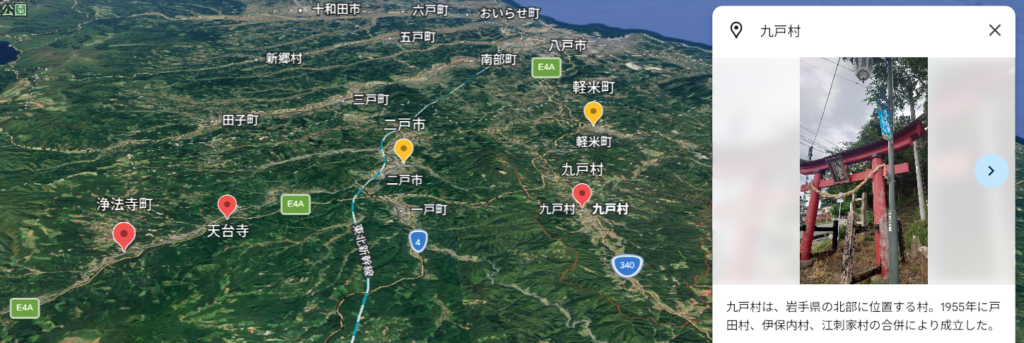
岩手の代名詞として知られる「わんこそば」。次々と椀に投げ入れられるその華やかなおもてなしの裏には、実は厳しい北の地で育まれた「雑穀」という、もう一つの逞しい食の系譜があります。わんこそばが「ハレ(非日常)」の祝祭的な食であるならば、県北・軽米町(かるまいまち)で受け継がれてきた雑穀文化は、この地の人々を支え続けてきた「ケ(日常)」の生命線です。岩手の歴史パズルを解くように、この二つの食の接点を探ってみましょう。

The Spirit of Wanko Soba and the Memory of Millet

Wanko Soba is synonymous with Iwate. Yet, behind this flamboyant display of hospitality, where noodles are tossed into bowls in rapid succession, lies another resilient lineage of food nurtured in the harsh northern climate: millet (zakkoku).

If Wanko Soba represents the festive, extraordinary meals of hare (special occasions), then the millet culture passed down in the northern town of Karumai is the lifeline of ke (everyday life) that has long sustained the people of this region. Let’s explore the intersection of these two culinary traditions, as if piecing together the historical puzzle of Iwate.

カテゴリー: 県北 Northern Iwate
タグ: わんこそば, 雑穀, ハレとケ, 軽米町, 食文化
アクセスポイント(座標): 40.3262, 141.4607

八幡平・松川:大地の鼓動をエネルギーに変える、火山の聖地 / Hachimantai & Matsukawa: The Sacred Volcanic Land Where the Earth’s Pulse Becomes Energy

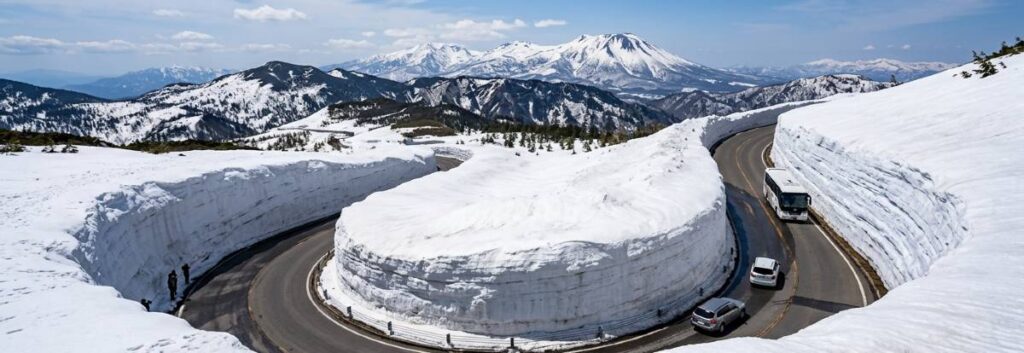
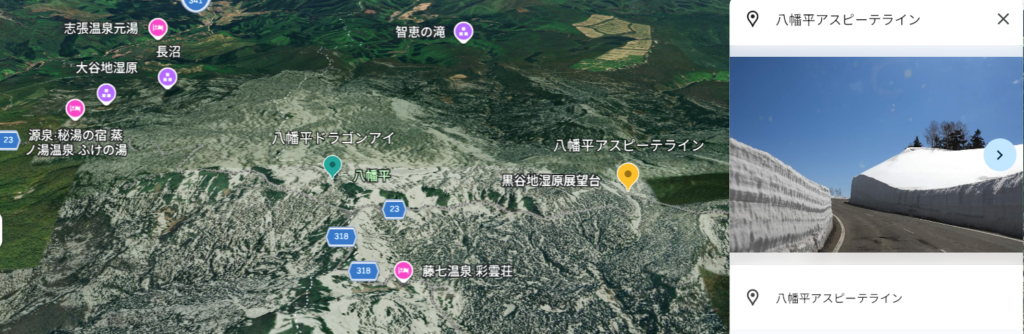
p>盛岡から北へ車を走らせると、八幡平の深い原生林の中に、突如として白い蒸気が天へ昇る光景が現れます。ここは単なる山岳リゾートではありません。日本が誇る「地熱発電」の歴史が刻まれた、地球のエネルギーが今も脈動し続ける聖地なのです。

Heading North from Morioka, you encounter a striking sight: white steam billowing into the sky from within the primeval forests of Hachimantai. This is not merely a mountain resort; it is a sacred site where the history of Japan’s geothermal energy was born, and where the Earth’s power continues to pulse beneath our feet.

荒ぶる火山の息吹を感じる絶景 / A Landscape Breathing with Volcanic Power

松川エリアに足を踏み入れると、独特の硫黄の香りと、いたるところから噴き出す水蒸気が、この地が生きている火山であることを五感に伝えてきます。八幡平の雄大な景色は、悠久の時を経て形成された火山の恵みそのものです。特に秋の紅葉シーズン、燃えるような赤と黄色に染まった渓谷から立ち上る白い湯気は、自然の力強さと神秘を同時に感じさせる、岩手屈指の絶景です。

Stepping into the Matsukawa area, the distinct scent of sulfur and the steam rising from the ground remind you that this is a living volcano. The magnificent scenery of Hachimantai is a gift forged by volcanic activity over eons. Especially during the autumn foliage season, the sight of white steam rising from the blazing red and yellow gorge creates one of Iwate’s most breathtaking vistas—a perfect harmony of natural power and mystery.

1966年の挑戦:地熱を未来の光に / The 1966 Challenge: Turning Geothermal Heat into Future Light

この景色の裏側には、日本のエネルギー史を塗り替えた物語があります。1966年、この松川の地で、日本初の商業用地熱発電所が稼働しました。かつては「恐ろしい山」として畏れられた火山が、技術の進歩によって「クリーンなエネルギーの源」へと生まれ変わったのです。岩手の自然が持つ熱を、ただ眺めるだけでなく、未来を照らす光に変える。この地熱発電所は、人間と自然が共生する新しい時代の象徴として、今も静かに稼働し続けています。

Behind this scenery lies a story that reshaped Japan’s energy history. In 1966, the Matsukawa Geothermal Power Plant—Japan’s first commercial geothermal plant—began operation here. A volcano once feared as a fearsome mountain has been reborn as a “source of clean energy” through technological advancement. Rather than merely observing the heat inherent in Iwate’s nature, it converts it into light that illuminates the future. This geothermal power plant continues to operate quietly today, standing as a symbol of a new era where humanity and nature coexist in harmony.

奇跡の醤油と南部杜氏の魂:陸前高田が紡ぐ発酵の物語 / The Miracle Soy Sauce and the Soul of Nambu Toji: The Fermentation Saga of Rikuzentakata

Discover the

岩手の厳しい冬と豊かな自然が育んだ「南部杜氏」の技。その伝統は今、沿岸の陸前高田で新たな発酵の奇跡として花開いています。古くから日本酒造りで磨かれてきた微生物との対話技術が、震災という苦難を乗り越え、どのようにして世界を驚かせる「奇跡の醤油」を生み出したのか。今回は、味覚の奥底に触れる発酵の軌跡を辿ります。

The rigor of Iwate’s winters and its abundant nature long nurtured the mastery of the “Nambu Toji” (master brewers). Today, this tradition flourishes as a new miracle of fermentation in the coastal city of Rikuzentakata.

We explore how the techniques of communicating with microorganisms—refined through centuries of sake brewing—overcame the hardships of the Great East Japan Earthquake to create a “miracle soy sauce” that astonished the world. Join us as we trace the path of fermentation that touches the very depths of flavor.

岩手の魂を継ぐ:早池峰の静寂から大槌の躍動へ / Inheriting the Soul of Iwate: From the Silence of Hayachine to the Dynamism of Otsuchi

p>岩手県は、雄大な山岳と荒々しい三陸の海が織りなす、深いコントラストを持つ土地です。この険しくも豊かな自然の中で、古より人々は祈りを捧げ、踊り、命を繋いできました。今回は、岩手の精神性を象徴する二つの芸能、「早池峰神楽」と「大槌虎舞」に焦点を当てます。静寂の山から響く神の足音と、荒波を越える虎の跳躍。この対照的な二つの芸能を知ることは、岩手の歴史という巨大なパズルのピースを埋める作業に他なりません。

Title: Inheriting the Soul of Iwate: From the Silence of Hayachine to the Dynamism of Otsuchi

Iwate Prefecture is a land defined by the dramatic contrast between its towering mountains and the rugged Sanriku coastline. Amidst this harsh yet bountiful nature, people have prayed, danced, and preserved their lives since ancient times.

In this article, we focus on two performing arts that symbolize the spirit of Iwate: “Hayachine Kagura” and “Otsuchi Toramai” (Tiger Dance). From the footsteps of gods echoing through silent mountains to the leaps of tigers braving the rough waves—understanding these two contrasting arts is nothing less than filling in the missing pieces of the grand puzzle of Iwate’s history.

彫刻家・高村光太郎と久慈の太古:岩手が刻む「永遠」への旅 / Sculptor Kotaro Takamura and the Prehistoric Kuji: A Journey into Iwate’s Eternal Time

岩手県は、ただ美しい景色が広がるだけの場所ではありません。そこには、詩人であり彫刻家であった高村光太郎が追い求めた「真実の形」と、久慈の大地が数千万年の時を超えて提示する「生命の断片」が同居しています。人の手による芸術と、地球が自ら彫り上げた歴史。この二つの視点を行き来することで、岩手の旅は単なる観光を超え、時空を旅する深い思索へと変わります。

Sculptor Kotaro Takamura and the Prehistoric Kuji: A Journey into Iwate’s Eternal Time

Iwate is more than just a place of scenic beauty. It is a land where the “form of truth” pursued by the poet and sculptor Kotaro Takamura coexists with the “fragments of life” presented by the land of Kuji across tens of millions of years.

Art created by human hands and history carved by the Earth itself—by moving between these two perspectives, a journey through Iwate transcends mere sightseeing and transforms into deep contemplation, traveling through time and space.

獣の鼓動と山の記憶—鹿踊りからマタギの深淵、遠野の妖怪譚へ / The Pulse of the Beast and the Memory of the Mountains: From Shishi-odori to the Matagi and the Tales of Tono

岩手県は、単なる観光地ではありません。ここは、現代社会が忘れ去った「自然への畏怖」と「精霊との共生」が、今なお色濃く残る場所です。胸に太鼓を抱き、獣の魂を憑依させて舞う鹿踊り(ししおどり)。険しき山々で命のやり取りを神聖な儀式として昇華させたマタギの狩猟術。そして、柳田國男の『遠野物語』が描き出した、境界線上の妖怪たち。これらはバラバラの民俗芸能ではなく、岩手の山々が紡いできた一つの壮大な物語の断片なのです。

The Pulse of the Beast and the Memory of the Mountains: From Shishi-odori to the Matagi and the Tales of Tono

Iwate Prefecture is not merely a tourist destination; it is a place where the “awe of nature” and “coexistence with spirits”—elements often forgotten by modern society—still breathe with vivid intensity.

There is the Shishi-odori (Deer Dance), where dancers clutch drums to their chests and dance as if possessed by the souls of beasts. There are the hunting traditions of the Matagi, who transformed the life-and-death struggle in the rugged mountains into a sacred ritual. And then, there are the yokai (supernatural beings) dwelling on the threshold of reality, as immortalized in Kunio Yanagita’s “The Tales of Tono.” These are not isolated pieces of folklore, but fragments of a single, grand epic woven over centuries by the mountains of Iwate.

岩手の食の源流を巡る:遠野の羊と小岩井農場の開拓精神 / Tracing the Origins of Iwate’s Cuisine: Tono’s Sheep and the Pioneering Spirit of Koiwai Farm

From the sheep-rearing history of Tono to the pioneering dairy legacy of Koiwai Farm

岩手県の食文化を語る上で欠かせないのが、大地と共生してきた畜産の歴史です。遠野のジンギスカンに代表される羊文化、そして雫石町・小岩井農場が切り拓いた近代酪農の系譜。これらは単なる観光名所やご当地グルメではなく、明治期から続く日本の近代化の縮図とも言える物語です。岩手の豊かな大地がどのようにして食の産業へと昇華されたのか、その歴史の点と線を紐解いていきましょう。

To discuss the food culture of Iwate Prefecture, one cannot overlook the history of livestock farming, which has long existed in harmony with the land. From the sheep culture exemplified by Tono’s Genghis Khan to the lineage of modern dairy farming pioneered at Koiwai Farm in Shizukuishi, these are not merely tourist spots or local delicacies. They are stories that serve as a microcosm of Japan’s modernization since the Meiji era. Let us unravel the history of how Iwate’s rich land was transformed into a thriving industry, connecting the dots of its past.

遠野の羊文化とジンギスカンの歴史
The Sheep Culture of Tono and the History of Genghis Khan

遠野市で親しまれる「遠野ジンギスカン」は、単なる名物料理ではありません。それは、大正から昭和初期にかけて国策として進められた「綿羊(羊)飼育」の歴史の名残です。当時、日本は毛織物の原料となる羊毛の自給を目指し、岩手の冷涼な気候が羊の飼育に適しているとして、遠野は一大産地となりました。やがて羊毛だけでなく、その肉を食べる習慣が地元に根付き、独特のタレと柔らかいラム肉を味わう「遠野ジンギスカン」という食文化が完成しました。遠野のジンギスカンを味わうことは、かつて日本の産業を支えようとした人々の情熱を追体験することに他なりません。

Tono Genghis Khan: A Flavorful Legacy of Industry and Passion

“Tono Genghis Khan,” a beloved dish in Tono City, is far more than just a local specialty. It is a flavorful legacy of Japan’s national history, tracing back to the sheep farming initiatives of the Taisho and early Showa eras.

During that period, Japan sought to achieve self-sufficiency in wool production, and Tono’s cool climate proved ideal for sheep, transforming the region into a major hub for the industry. Over time, the custom of eating the meat—not just harvesting the wool—became deeply rooted in the community. This gave rise to the unique culinary culture of “Tono Genghis Khan,” celebrated for its signature sauce and tender lamb. To savor this dish is to experience the enduring passion of the people who once strove to build Japan’s industrial foundation.