銀河の記憶を辿る:奥州水沢と宇宙への挑戦 / Tracing Galactic Memories: Oshu Mizusawa and the Quest to the Cosmos

銀河鉄道が駆け抜ける空の、科学的な真実

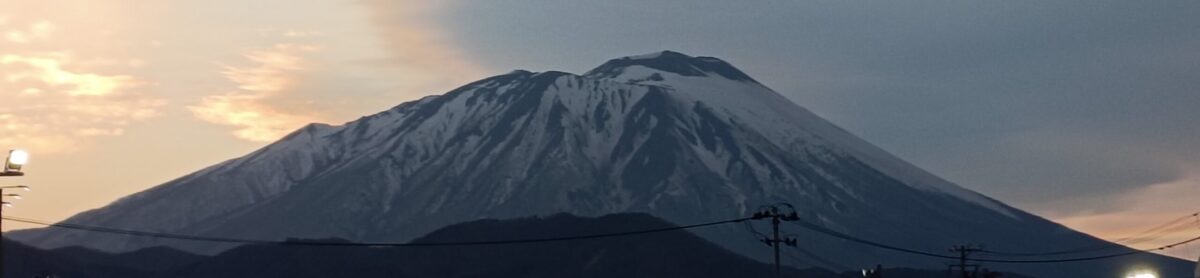
岩手の夜空を見上げると、宮沢賢治が描いた「銀河鉄道の夜」の世界が、今にも頭上に広がりそうな錯覚に陥る。しかし、この澄み渡る大気の下には、単なる文学的なロマンだけではない、宇宙の真理を解き明かすための「科学の目」が百二十年以上にわたり開かれ続けている。奥州市水沢。この地には、人類が宇宙という広大なパズルに挑むための最前線、国立天文台水沢VLBI観測所が存在する。

The Scientific Reality Beneath the Galactic Skies

Gazing up at the night sky in Iwate, one can easily fall under the illusion that the world of Kenji Miyazawa’s “Night on the Galactic Railroad” is about to unfold overhead. Yet, beneath this crystal-clear atmosphere lies more than just literary romance; there exists a “scientific eye” that has been observing the truths of the universe for over 120 years. In Oshu City

黄金の国・ジパングの源流:陸前高田・玉山金山が語る歴史の真実 / The Roots of Zipangu: Unearthing the Gold of Rikuzentakata

Discover the true roots of Marco Polo’s “Zipangu” in the ruins of Tamayama Gold Mine, Rikuzentakata. A journey back to the golden era of the Oshu Fujiwara. #VisitIwate #Morioka #History #GoldMine

黄金伝説の深層へ

マルコ・ポーロが『東方見聞録』で記した「黄金の国・ジパング」。その伝説の背後には、奥州藤原氏が栄華を極めた岩手の歴史が深く関わっています。陸前高田の山あいに眠る玉山金山跡は、ただの廃坑ではありません。かつて世界を魅了した黄金の輝きが、ここから生まれたという歴史のパズルが眠っているのです。私たちは今、中世の交易路を通じて世界史に影響を与えた、この地の重層的な物語を紐解く必要があります。

Into the Depths of the Golden Legend

The “Zipangu,” the Land of Gold, described by Marco Polo in his Travels, is deeply intertwined with the history of Iwate, where the Oshu Fujiwara clan once flourished. The Tamayama Gold Mine ruins, nestled in the mountains of Rikuzentakata, are far more than mere abandoned shafts; they are pieces of a historical puzzle, suggesting that the gold which once captivated the world originated here. We must now unravel the multi-layered story of this land, which influenced world history through the trade routes of the Middle Ages.

奥州藤原氏を支えた黄金の力

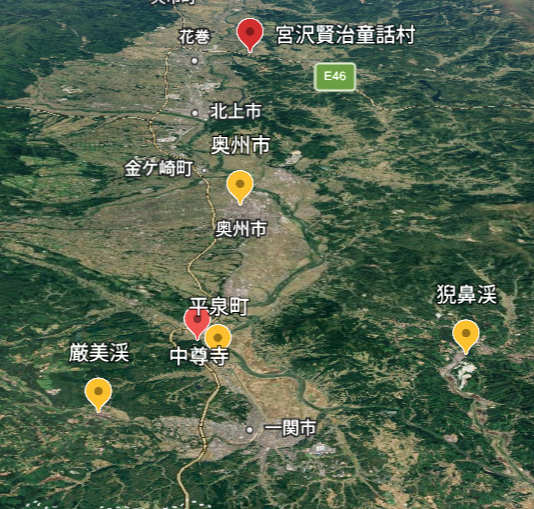
12世紀、平泉を中心に繁栄した奥州藤原氏は、豊富な砂金と金鉱山を背景に強大な経済力を誇りました。玉山金山は、その黄金文化を支えた主要な供給源の一つです。中尊寺金色堂の眩い輝きは、この地に眠る金があったからこそ実現しました。歴史は語ります。この山々は、単なる資源の採掘場ではなく、東北の独立と独自の文化を支えた「心の拠り所」であり、経済的な生命線であったことを。

The Golden Power Behind the Oshu Fujiwara

In the 12th century, the Oshu Fujiwara clan, based in Hiraizumi, wielded immense economic power fueled by abundant alluvial and vein gold. Tamayama was a primary source supporting this golden culture. The resplendent Chuson-ji Golden Hall was made possible only through the gold extracted from this land. History tells us that these mountains were not merely resource extraction sites, but the bedrock of Tohoku’s independence and cultural identity—the very lifeline of their economy.

世界に伝播した「ジパング」の記憶

マルコ・ポーロが実見しなかったジパングの噂は、当時の交易路を通じて中国、そして世界へと伝播しました。陸前高田の金がどのようなルートを辿り、どのようにして「黄金の国」という神話に昇華されたのか。玉山金山跡の静寂の中に立つと、当時の交易商人の足音や、金の輝きに目を奪われた人々の熱狂が、時を超えて響いてくるようです。この場所は、岩手がかつて世界の経済地図の中心にあったことを証明する証人なのです。

The Echo of “Zipangu” Spread Across the Globe

The rumors of Zipangu, which Marco Polo never actually witnessed, echoed through trade routes to China and eventually the world. One cannot help but wonder: what path did the gold from Rikuzentakata travel to ignite the myth of the “Land of Gold”? Standing in the silence of the Tamayama ruins, one can almost hear the footsteps of ancient merchants and feel the fervor of those who were captivated by the allure of this precious metal. This site stands as a witness, proving that Iwate was once at the center of the world’s economic map.

歴史を未来へ繋ぐ巡礼

現在、玉山金山跡は自然に還りつつあります。しかし、その土壌には、かつての繁栄と、幾多の労働者が掘り起こした歴史の重みが刻まれています。岩手の地には、世界史の転換点となった「黄金の物語」が今も脈々と流れています。この場所を訪れることは、単なる観光ではありません。歴史の深淵に触れ、かつての黄金の記憶を現代に蘇らせる、知的な巡礼の旅なのです。

A Pilgrimage Connecting History to the Future

Today, the Tamayama Gold Mine ruins are slowly returning to nature. Yet, the soil remains etched with the weight of past prosperity and the toil of countless laborers. The “Golden Story,” which became a turning point in world history, still flows through the land of Iwate. Visiting this site is not merely sightseeing; it is an intellectual pilgrimage to touch the depths of history and resurrect the memories of the golden age for the modern world.

浄法寺漆:黄金の国・日本を支える黒き宝の系譜 / Joboji Urushi: The Black Treasure Supporting Japan’s Golden Heritage

岩手県北部に位置する二戸市。この静寂に包まれた山間部は、日本国内の漆生産量の約7割を占める、まさに「漆の聖地」です。ここで採れる「浄法寺漆」は、単なる工芸材料ではありません。それは、日本の歴史そのものを修復し、守り続けるための生命線なのです。かつて南部藩主がこの地で漆の植樹を奨励し、保護したことで育まれたこの伝統は、時を超えて今、国宝建築を支える重要な役割を果たしています。今回は、漆掻き職人の魂と、歴史が紡いだ黒き宝の物語を紐解きます。

Joboji Urushi: The Black Treasure Supporting Japan’s Golden Heritage

Nestled in the northern mountains of Iwate Prefecture, Ninohe City is the heart of Japan’s lacquer production, accounting for approximately 70% of the nation’s supply. Joboji Urushi is far more than a simple craft material; it is a vital lifeline used to restore and preserve the very fabric of Japanese history. This tradition, nurtured under the protection and encouragement of the Nambu lords centuries ago, continues to play a crucial role in maintaining National Treasures today. In this story, we unravel the narrative of this “black treasure,” woven by history and the indomitable spirit of the lacquer tappers.

岩手の地質を辿るタイムトラベル:盛岡城の石垣から、久慈の琥珀が語る恐竜時代へ / A Geological Time Travel Through Iwate: From the Stone Walls of Morioka Castle to the Dinosaur Era of Kuji Amber

岩手県は、まるで地球の記憶を閉じ込めた巨大な博物館のような場所です。県央の盛岡から北部の久慈へ。この旅は、単なる観光地巡りではありません。人間が築いた堅固な石垣の歴史から、数千万年の時を超えて地層に眠る琥珀の物語へと、地質学的な時間を遡る壮大なタイムトラベルです。

盛岡城跡の石垣:都市を支える花崗岩の記憶
Morioka Castle Ruins: The Granite Memories Supporting the City

盛岡城跡公園(岩手公園)に足を踏み入れると、まず圧倒されるのが重厚な石垣です。これらの石垣には、主に盛岡近郊で採掘された花崗岩が使用されています。花崗岩は、マグマが地下深くでゆっくりと冷却されて固まった火成岩です。この「石」たちが、かつて南部藩の威信をかけて積み上げられ、数世紀にわたって盛岡の街を見守ってきました。
無骨でありながら洗練された石積みは、当時の職人たちの技術の結晶です。苔むした石の表面に触れると、この花崗岩が数千万年前に冷え固まった時の地球の鼓動が聞こえてくるような錯覚に陥ります。盛岡の歴史は、この堅固な石の基礎の上に築かれているのです。

The Pulse of the Earth in the Stone Walls: The Pride of the Nambu Clan

When you step into the Morioka Castle Ruins (Iwate Park), the first thing that overwhelms you is the imposing stone walls. These walls are constructed primarily from granite quarried in the vicinity of Morioka. Granite is an igneous rock formed when magma cools slowly deep underground. These “stones” were stacked with the prestige of the Nambu clan and have watched over the city of Morioka for centuries. The rugged yet refined masonry is a culmination of the skills of the craftsmen of that era. When you touch the mossy surface of the stones, you feel as if you are hearing the heartbeat of the Earth from tens of millions of years ago when this granite cooled and solidified. Morioka’s history is built upon this solid stone foundation.

盛岡の静寂から荒磯の響きへ — 洋野町「ウニ牧場」が織りなす海との共生 / From the Stillness of Morioka to the Roar of the Pacific — The Symbiosis of Hirono Town’s

盛岡の静寂から荒磯の響きへ — 洋野町「ウニ牧場」が織りなす海との共生

From the Stillness of Morioka to the Roar of the Pacific — The Symbiosis of Hirono Town’s Sea Urchin Farm

岩手県最北端の沿岸に位置する洋野町。ここには、世界でも類を見ない「ウニ牧場」が広がっています。太平洋の荒波が打ち寄せる広大な平らな岩盤に、深さ数メートルの溝を縦横無尽に掘り進めたこの場所は、まさに人間と海が知恵を絞り合って作り上げた「共生の極致」です。

自然に寄り添う、持続可能な知恵 盛岡の静かな朝から車を走らせ、辿り着いた先で耳にするのは、豪快な波音と潮騒の響き。この「増殖溝」の中にたっぷりと蓄えられた天然のコンブを食べて育つウニは、その身の詰まりも甘みも一級品です。自然を征服するのではなく、地形を利用し、海のリズムに寄り添うことで生まれたこの景色は、岩手が誇る「持続可能なフロンティア」の象徴と言えるでしょう。


English Text

Located along the northernmost coast of Iwate Prefecture, Hirono Town is home to a world-exclusive “Sea Urchin Farm.” Here, human ingenuity and the power of the ocean intersect in an extraordinary display of symbiosis. Long trenches have been carved directly into the vast bedrock along the Pacific shore, creating a sheltered environment where sea urchins thrive on abundant, naturally grown kelp.

A Sustainable Wisdom in Harmony with Nature Leaving behind the quiet mornings of Morioka and arriving at this rugged coast, you are greeted by the magnificent roar of the Pacific. These man-made “breeding trenches” utilize the natural tides to provide fresh nutrients, resulting in sea urchins of exceptional sweetness and quality. This landscape is a symbol of Iwate’s “sustainable frontier,” where humans do not conquer nature but instead move in harmony with its rhythms.

浄土ヶ浜:三日月が満ちる時、岩肌は極楽浄土へと変貌する / Jodogahama: When the Crescent Moon Becomes Whole – The Transformation of Rock into Pure Land

岩手県宮古市、三陸の荒々しい海岸線に突如として現れる白亜の絶景。それが「浄土ヶ浜」です。深い紺碧の海と、鋭く尖った白い岩肌のコントラストは、まるで水墨画が色彩をまとったかのような静謐な美しさを湛えています。三日月が満ちて丸くなるまで、悠久の時をかけてこの岩が削り出されたかのように、ここには自然の神秘と仏教的な祈りが交差する特別な空気が流れています。

Jodogahama in Miyako City, Iwate, is a breathtaking vista of white rock that emerges suddenly along the rugged Sanriku coastline. The contrast between the deep, azure sea and the sharp, white rhyolite crags creates a serene beauty, as if a traditional ink wash painting had suddenly come to life with color. Just as a crescent moon waxes into fullness over time, this landscape feels as though it was sculpted by eons of nature, creating a space where mystery and Buddhist devotion intersect.

5200万年の地質が語る「白亜の聖域」

浄土ヶ浜の主役である鋭く尖った白い岩肌は、約5200万年前の火山活動によって形成された「流紋岩(りゅうもんがん)」です。長い年月をかけて波と風に洗われ、削り出されたその造形は、自然が作り出した彫刻と言っても過言ではありません。

この白い岩肌が、陽光を受けて輝くとき、海面は鏡のように空を映し出し、訪れる者を現世から隔絶された別世界へと誘います。岩の白さは、不純物を削ぎ落としたかのような清廉さを持ち、見る人の心に深い静寂をもたらします。地質学的な荒々しさと、目に見える静謐さ。この二面性こそが、浄土ヶ浜が持つ最大の魅力です。

The White Sanctuary Carved by 52 Million Years of Geology

The jagged, white rock that defines Jodogahama is rhyolite, formed by volcanic activity approximately 52 million years ago. Sculpted by the relentless waves and wind over vast eons, these formations are nothing short of natural sculptures.

When these white rocks catch the sunlight, the sea reflects the sky like a mirror, drawing visitors into a world apart from the mundane. The whiteness of the rock possesses a purity that seems to strip away impurities, bringing a profound silence to the observer’s heart. This duality—geological ruggedness juxtaposed with visual serenity—is the true essence of Jodogahama’s charm.

僧侶・霊鏡が観た「この世の極楽」

江戸時代の天和年間(1678年頃)、この地を訪れた宮古山常安寺の僧、霊鏡(れいきょう)和尚は、あまりの美しさにこう詠みました。「さながら極楽浄土のごとし」。

彼がこの地を「浄土」と名付けた背景には、当時の人々が抱いていた極楽浄土への憧れと、この風景が持つ圧倒的な精神的救済力がありました。仏教宇宙において、極楽浄土は苦しみのない理想郷です。霊鏡和尚にとって、この荒々しい断崖と穏やかな海の調和は、まさに彼が修行の果てに目指していた理想の境地そのものだったのでしょう。

歴史のパズルを紐解くと、浄土ヶ浜は単なる観光地ではなく、かつての人々が「祈り」を捧げた聖域であったことが分かります。三日月が満月へと変化するような、自然の摂理と人の信仰心が重なり合った場所。それが、ここ浄土ヶ浜なのです。

The stark contrast between the jagged white rocks and the deep blue sea creates a space where one can truly feel the intersection of geological history and spiritual devotion. Visiting Jodogahama is not just a sightseeing trip; it is an encounter with the eternal “Pure Land” that exists within the rugged beauty of the Sanriku coast.

錦秋の彩りから、紫紺の深淵へ ― 岩手が紡ぐ色彩と美酒の物語

p>岩手の秋は、圧倒的な色彩のパレードから幕を開けます。八幡平の山々が燃えるような赤と黄金に染まる時、その光景は見る者の心を奪います。しかし、旅の視点を少し南へと移すと、そこには全く異なる「色」の世界が広がっています。本日は、自然の鮮烈な紅葉から、紫波町で受け継がれる高貴な「紫根染」の深い色合い、そしてその地で醸される至高の日本酒へと続く、五感を巡る旅路へとご案内します。

English Text (Completion): Iwate’s autumn begins with a breathtaking parade of colors. When the mountains of Hachimantai ignite in shades of fiery red and brilliant gold, the scenery captures the soul of every observer. Yet, as we shift our perspective slightly south, a completely different world of color awaits. Today, we invite you on a sensory journey that transitions from the vivid autumn leaves of nature to the noble, deep hues of “Shikon-zome” (purple root dye) passed down in Shiwa Town, and the exquisite sake brewed in that same land. Join us as we explore a sensory path that traverses through nature’s brilliance and the sophisticated heights of human craftsmanship.

岩手の山々を巡る色彩の旅:八幡平の可憐な高山植物から、室根山の情熱的なツツジへ / A Journey of Colors Through Iwate: From Hachimantai’s Alpine Flora to the Flaming Azaleas of Mt. Murone

From the delicate alpine flora of Hachimantai to the vibrant red azaleas of Mt. Murone

岩手県は、北上高地と奥羽山脈という二つの大きな脊梁山脈に抱かれた、広大な大地です。北から南へ、季節の移ろいとともに山々は表情を変え、訪れる者に生命の力強さを教えてくれます。今回は、八幡平の厳しい自然の中で咲き誇る可憐な高山植物と、一関市・室根山を燃えるような赤に染め上げるツツジの群生、この二つの絶景を繋ぐ「色彩の旅」をご案内します。岩手の山岳風景が織りなす、繊細さと大胆さのコントラストを紐解いていきましょう。

Journey of Colors: From Hachimantai’s Alpine Blooms to the Azaleas of Mount Murone

Iwate Prefecture is a vast land embraced by two major mountain ranges: the Kitakami Highlands and the Ou Mountains. From north to south, the mountains transform with the passing of the seasons, teaching visitors about the resilience of life. In this article, we invite you on a “Journey of Colors” that connects two breathtaking landscapes: the delicate alpine plants blooming in the harsh environment of Hachimantai, and the clusters of azaleas that dye Ichinoseki’s Mount Murone in a fiery red. Let us explore the profound contrast between delicacy and boldness woven into the fabric of Iwate’s mountainous scenery.

森の旨味と海の潮騒:八幡平から山田町へ繋ぐ、究極のキノコと牡蠣のシンフォニー / Forest Umami and Ocean Breezes: The Ultimate Symphony of Shiitake and Oysters from Hachimantai to Yamada

From the forests of Hachimantai to the sea of Yamada

岩手の食の旅は、八幡平の深い森から始まります。岩手県内でも屈指のキノコ産地として知られる八幡平。そこで育まれる洗練されたマッシュルームの旨味は、県内各地の食材と呼応する物語の序章に過ぎません。今回は、その「キノコの系譜」を辿り、山から海へと視点を移します。山田町の海風が育む肉厚な原木しいたけと、三陸の至宝・牡蠣が出会う、驚きのマリアージュをご紹介します。

Iwate’s culinary journey begins in the deep forests of Hachimantai, one of the prefecture’s leading mushroom-producing regions. The umami of the sophisticated mushrooms cultivated there is merely the prelude to a story that resonates across the land. In this entry, we trace the “Mushroom Pedigree,” shifting our gaze from the mountains to the sea, and introduce a stunning “marriage” where the thick, log-grown shiitake nurtured by Yamada Town’s sea breeze meets the treasure of the Sanriku coast: oysters.


岩手のキノコ文化の深淵と八幡平の役割

岩手県は、その広大な森林面積を背景に、日本有数のキノコ生産地としての誇りを持っています。特に八幡平エリアは、高度な温度管理と清らかな水、そして職人の情熱によって、最高品質のマッシュルームを世に送り出しています。この地で培われた「品質へのこだわり」は、岩手県全域のキノコ生産者に共通するDNAです。マッシュルームが持つ洗練された香りと繊細な食感は、洋食のベースとして非常に優秀ですが、これを出発点として考えると、より野生的で力強いキノコの世界が見えてきます。それが、三陸海岸・山田町の「原木しいたけ」です。

The Depths of Iwate’s Mushroom Culture and the Role of Hachimantai Iwate Prefecture takes pride in its status as one of Japan’s top mushroom producers, backed by its vast forest areas. The Hachimantai area, in particular, delivers the highest quality mushrooms through advanced temperature control, pristine water, and the passion of its craftsmen. This “commitment to quality” is a shared DNA among mushroom growers throughout Iwate. While the refined aroma and delicate texture of these mushrooms make them an excellent base for Western cuisine, taking them as a starting point reveals a more wild and powerful world of fungi: the “log-grown shiitake” of Yamada Town on the Sanriku coast.


山田町の潮風が育む、もう一つの「森の宝石」

山田町は、三陸海岸の中央に位置し、リアス式海岸がもたらす複雑な地形と、山から海へミネラルが流れ込む豊かな環境に恵まれています。ここで育つ原木しいたけは、八幡平のマッシュルームとは対照的に、森の力強さを凝縮したような肉厚さと、噛み締めるほどに溢れ出す濃厚な旨味が特徴です。

このしいたけの秘密は、海から吹き付ける潮風にあります。適度な塩分とミネラルを含んだ海風が、原木に浸透し、しいたけの細胞をより引き締まったものに変えるのです。この「海風テロワール」とも呼ぶべき環境が、一般的なしいたけにはない独特の風味を生み出しています。

Another “Jewel of the Forest” Nurtured by Yamada’s Tide Located in the center of the Sanriku coast, Yamada Town is blessed with a complex rias coastline and a rich environment where minerals from the mountains flow into the sea. The log-grown shiitake cultivated here, in contrast to Hachimantai’s mushrooms, are characterized by a thick flesh and a deep, overflowing umami that seems to encapsulate the raw power of the forest. The secret to this shiitake lies in the sea breeze blowing from the Pacific. The ocean air, containing moderate salt and minerals, permeates the logs, tightening the cells of the shiitake. This creates a unique flavor profile, an environment that can truly be called “Sea Breeze Terroir.”


牡蠣と原木しいたけの異次元マリアージュ

そして、この山田町の原木しいたけが最も輝く瞬間があります。それは、同じく山田湾で育った「三陸牡蠣」との邂逅です。

科学的に見れば、しいたけに含まれるグアニル酸と、牡蠣に含まれるコハク酸・グルタミン酸が融合することで、旨味の相乗効果は飛躍的に高まります。しかし、このマリアージュの真髄は理屈を超えたところにあります。炭火で焼かれた牡蠣から滴るエキスを、肉厚なしいたけが受け止める。あるいは、アヒージョのようにオイルの中で二つの食材が混ざり合うとき、森の重厚な香りと海の透明感のある塩気が、一つの料理の中で完璧な調和を奏でるのです。

これは単なる食材の組み合わせではありません。岩手の山と海が、長い年月をかけて育んできた「自然の共鳴」そのものなのです。八幡平でマッシュルームという芸術に触れ、山田町で海の力と森の滋味が溶け合う一皿を味わう。この体験こそが、岩手の食が持つ本質的な魅力であり、訪れる者を魅了してやまない理由なのです。

A Marriage Beyond Dimensions: Oysters and Log-Grown Shiitake There is a moment when these Yamada shiitake shine brightest: their encounter with “Sanriku Oysters” raised in the same Yamada Bay. Scientifically speaking, the fusion of guanylic acid in the shiitake with the succinic and glutamic acids in the oysters dramatically enhances the synergistic effect of umami. However, the true essence of this marriage lies beyond reason. The thick shiitake catches the dripping essence of oysters grilled over charcoal. Or, as they mingle in oil like an ajillo, the heavy forest aroma and the transparent saltiness of the sea play a perfect harmony within a single dish.

This is not merely a combination of ingredients; it is a “Natural Resonance” nurtured by Iwate’s mountains and sea over many years. This experience is the essential charm of Iwate’s food culture, and the reason it never ceases to fascinate those who visit.


[Area] Coast
[Category] Food & Drink

秋田街道の静寂 – 国見峠に刻まれた戊辰戦争の記憶 / The Silence of the Akita Kaido – Echoes of the Boshin War at Kunimi Pass

岩手県北部の八幡平を駆け抜ける「八幡平アスピーテライン」。雪の回廊や雄大な山岳パノラマは、現代の私たちが享受する最高のドライブコースです。しかし、その爽快なドライブの記憶を一度横に置き、少しだけ南へ視線を移してみてください。そこには、現代の舗装路とは対極にある「道なき道」が眠っています。雫石町から秋田へと続く「秋田街道」です。かつてこの山道は、物流の動脈であると同時に、幕末の動乱期には歴史の運命を左右する激戦の舞台となりました。

The Hachimantai Aspite Line, cutting through the northern mountains of Iwate, offers a spectacular driving experience, famous for its walls of snow and panoramic alpine views. Yet, if we set aside the modern convenience of this route for a moment and turn our gaze slightly south, we encounter a forgotten path that stands in stark contrast to the paved roads of today: the Akita Kaido (Akita Highway) leading from Shizukuishi to Akita. This mountain trail was once a vital artery for trade, but during the turbulent final years of the Edo period, it became a stage for a fierce conflict that would shape the course of history.

秋田街道:物流と軍事の要衝

盛岡と秋田を結ぶ秋田街道は、古くから南部藩の経済を支える重要な路でした。雫石盆地を抜け、険しい奥羽山脈の国見峠を越えるこのルートは、単なる交易路以上の意味を持っていました。それは、もしもの時に備えた軍事的な防衛ラインでもあったのです。江戸時代、この道は人々の往来だけでなく、文化や情報の伝達、そして時には藩の命運を賭けた防衛の最前線として機能していました。

The Akita Kaido: A Vital Artery for Trade and War

Connecting Morioka and Akita, the Akita Kaido was a crucial route that supported the economy of the Nambu Domain. Crossing the rugged Ou Mountains via the Kunimi Pass after leaving the Shizukuishi Basin, this path held a significance far beyond mere trade. It served as a strategic military defensive line. During the Edo period, this road facilitated not only the movement of people and goods but also the flow of culture and information, and at times, it functioned as the frontline upon which the fate of the domain rested.

国見峠の激戦:歴史の分岐点

1868年、戊辰戦争の火の手が東北に及んだとき、国見峠は歴史の岐路に立たされました。新政府軍の侵攻に対し、奥羽越列藩同盟の一角である盛岡藩は、この国見峠を最後の防衛拠点としました。切り立った地形と厳しい自然環境の中で繰り広げられた攻防戦は、まさに死闘でした。銃声が山々に響き渡り、多くの若者たちがこの峠で散っていったのです。現代の登山者が何気なく歩くこの道には、かつて命を懸けて戦った武士たちの無念と、時代の転換期に翻弄された人々の息吹が、今も土の中に沈み込んでいます。

The Battle of Kunimi Pass: A Turning Point in History

In 1868, when the flames of the Boshin War reached the Tohoku region, the Kunimi Pass stood at a historical crossroads. Faced with the advance of the Imperial Army, the Morioka Domain—part of the Northern Alliance—marked the Kunimi Pass as their final defensive stronghold. The battle that unfolded within this steep, rugged terrain was a desperate struggle. Gunfire echoed through the mountains, and many young lives were lost on this pass. Along this path, which modern hikers might traverse casually today, the regrets of samurai who fought for their lives and the lingering spirits of those caught in the tides of a changing era remain buried deep within the earth.

現代に残る記憶の断片

現在、国見峠の周辺は静寂に包まれています。アスピーテラインの活気とは対照的に、かつての街道跡は木々に覆われ、自然の中に還りつつあります。しかし、雫石の町には、今も当時の歴史を伝える石碑や古戦場の痕跡が点在しています。この地を訪れることは、単なる観光ではありません。現代の便利な交通網という「線」から降りて、歴史の「点」に触れる旅です。静かな森の中で足を止めれば、150年前の風の音が聞こえてくるかもしれません。

Echoes Remaining in the Present

Today, the area around Kunimi Pass is wrapped in silence. In contrast to the vibrancy of the Aspite Line, the remnants of the old highway are being reclaimed by trees and returning to nature. However, the town of Shizukuishi still holds scattered monuments and traces of the old battlefield that tell this history. Visiting this place is more than just sightseeing; it is a journey to step off the