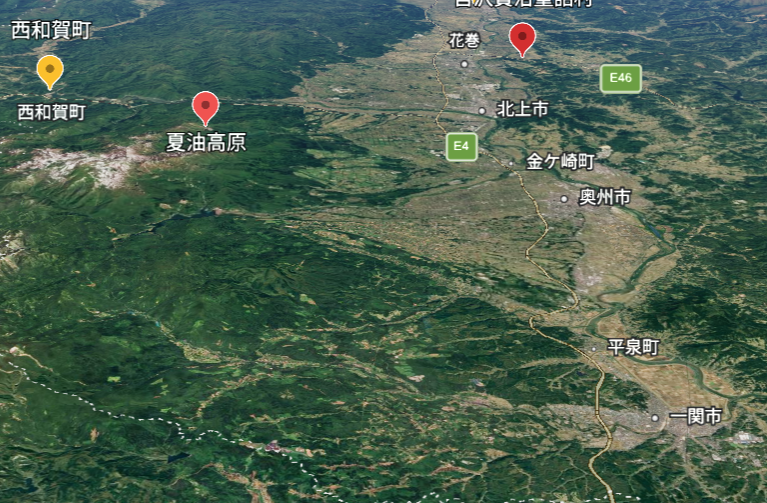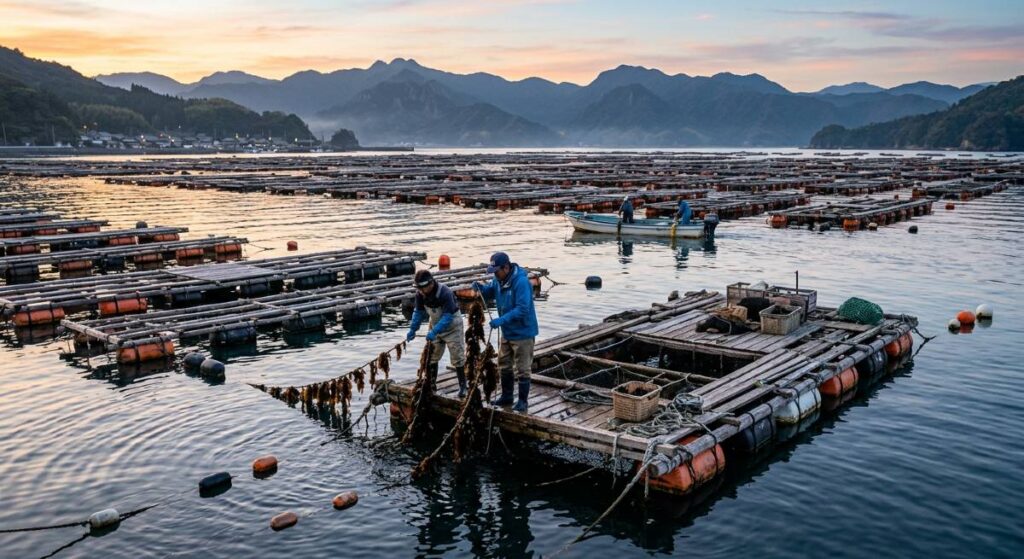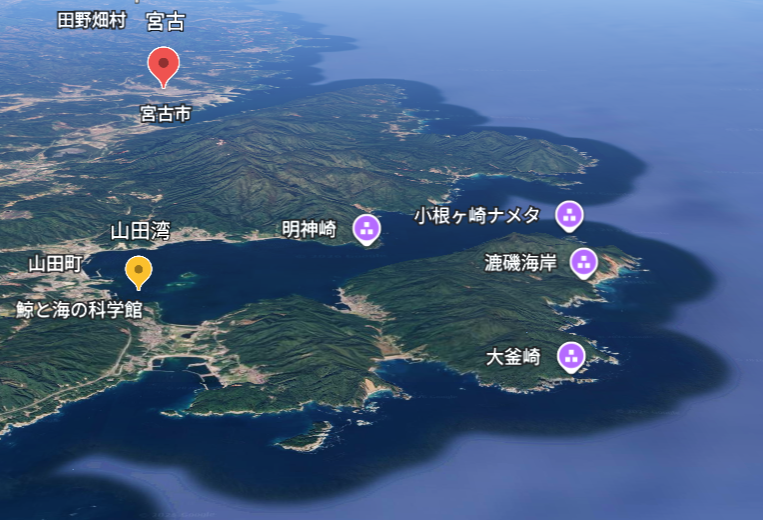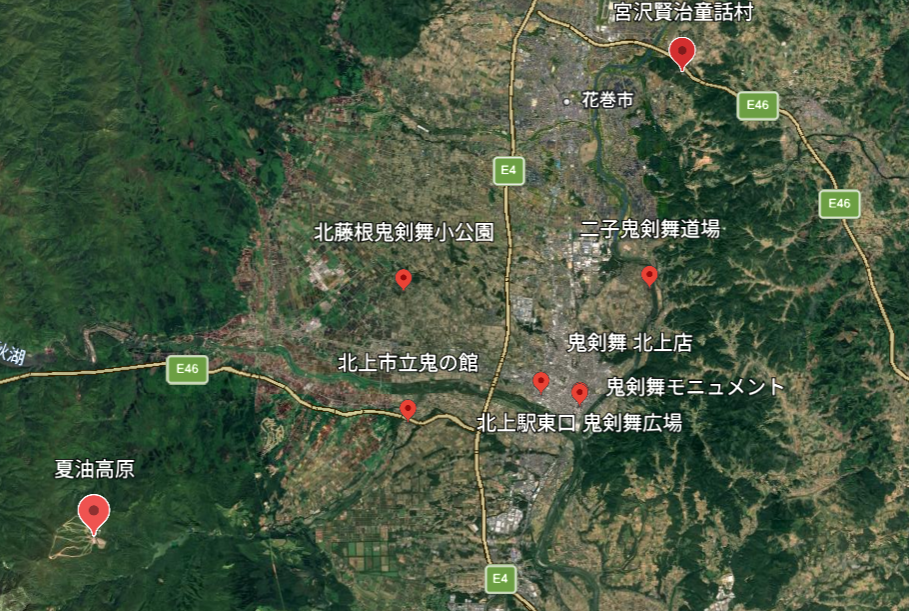
旋律の彼方、大地の咆哮:北上・鬼剣舞が刻む「鬼」の記憶 / Beyond the Melody, A Roar from the Earth: The Memory of the “Oni” Carved by Kitakami’s Oni Kenbai

宮沢賢治の繊細なチェロと、大地の重低音

宮沢賢治の童話『セロ弾きのゴーシュ』において、音楽は魂の救済と成長を象徴する繊細な調和として描かれています。しかし、賢治が愛したこの岩手の地には、物語の優雅な旋律とは対極にある、もっと野性的で、地殻を揺らすような響きが存在します。それが、北上市に伝わる民俗芸能「鬼剣舞(おにけんばい)」です。賢治が言葉で描いた「宇宙の調和」に対し、鬼剣舞は「大地の浄化」をその重厚なビートで体現しています。この対比こそが、岩手の精神的な深層を理解するための鍵となるのです。

セロの弦が夜空へ向かって奏でる透明な旋律が、星々の瞬きとともに静かに精神の層を重ねていく祈りの「堆積」であるならば、怒れる仏の化身である鬼たちが大地を激しく踏み鳴らす躍動は、積年の淀みや邪気を容赦なく削り落とす「侵食」にほかなりません。天を仰ぎ、銀河の理(ことわり)に耳を澄ませる静謐なまなざしと、かがり火の下で泥土を蹴り上げ、魂の底から咆哮する生命の燃焼。この天と地、静と動、そして堆積と侵食が織りなす圧倒的なコントラストの狭間に立つとき、私たちは岩手という風土が脈打つ、荒々しくも美しい生命の鼓動に真に触れることができるのです。

■ English Version

Kenji Miyazawa’s Delicate Cello and the Earth’s Deep Bass

In Kenji Miyazawa’s short story “Gauche the Cellist,” music is depicted as a delicate harmony symbolizing the salvation and growth of the soul. However, in this land of Iwate that Kenji so dearly loved, there exists a sound that stands in stark contrast to the elegant melodies of his stories—a sound far more wild, one that shakes the very crust of the earth. This is the folk performing art known as “Oni Kenbai” (Demon Sword Dance) from Kitakami City. If Kenji represented the “harmony of the universe” through his words, Oni Kenbai embodies the “purification of the earth” through its profound and heavy beat. This sharp contrast between the sophisticated spiritualism of literature and the primal, rhythmic pulse of the soil serves as the essential key to unlocking and understanding the profound spiritual depths of Iwate. To hear the drums of the Oni is to feel the heartbeat of the land itself, reclaiming its ancient power through a dance of light and shadow.

If the transparent melodies of the cello soaring into the night sky represent a quiet “accumulation” of the spirit layered with starlight, the dynamic stomping of the demon-masked dancers—avatars of wrathful deities—is undoubtedly a fierce “erosion” that violently scrapes away accumulated stagnation and evil. The serene gaze raised toward the heavens in prayer for cosmic harmony perfectly counterbalances the burning vitality roaring from the depths of the soul, kicking up the mud under blazing bonfires. When we stand in the crux of this overwhelming contrast—between heaven and earth, stillness and motion, accumulation and erosion—we truly touch the wild yet beautiful, beating heart of Iwate’s profound climate.


■ WordPress設定データ

カテゴリー: 県南 Southern Iwate
タグ: 宮沢賢治, 鬼剣舞, 北上市, 民俗芸能, 詩的リアリズム
アクセスポイント(座標): 39.2847, 141.0506
(※北上市「鬼の館」付近の座標。鬼剣舞の歴史と精神に触れることができる代表的な文化拠点)

「石っこ賢さん」の眼差しが見た永遠――久慈の琥珀と白亜紀の記憶 / The Eternal Gaze of “Ishi-kko Ken-san”: Kuji Amber and the Memories of the Cretaceous

石の言葉を聴く――宮沢賢治と地質学への情熱

岩手県が誇る詩人、宮沢賢治は、幼少期から「石っこ賢さん」と呼ばれ、鉱物や地層に対して並々ならぬ愛情を注いでいた。彼にとって石は単なる無機物ではなく、地球の壮大な歴史を刻んだ「記憶の媒体」であった。賢治が地質学に求めたものは、単なる科学的知識を超えた、宇宙的な時間軸との対話である。その眼差しは、岩手の大地が秘める太古の真実を見透かそうとしていた。

Listening to the Language of Stones: Kenji Miyazawa and the Passion for Geology

Kenji Miyazawa, the poet who remains the pride of Iwate Prefecture, was affectionately known as “Ishi-kko Ken-san” (Ken the Stone-lover) from his childhood. He possessed an extraordinary affection for minerals and geological strata. To him, stones were not merely inorganic matter, but “media of memory” that recorded the grand history of the Earth. What Kenji sought in geology was a dialogue with a cosmic timeline, transcending mere scientific knowledge. His gaze sought to pierce through to the ancient truths concealed within the land of Iwate.

8500万年のタイムカプセル――久慈の琥珀が語るもの

岩手県久慈市。この地は、日本有数の琥珀の産地として知られる。久慈の琥珀は、約8500万年前、白亜紀後期の樹液が長い年月をかけて化石化したものだ。賢治が愛した鉱物たちが、この地では「生命の息吹」をそのまま封じ込めている。琥珀の中に閉じ込められた昆虫や植物の断片は、当時の生態系を鮮明に現代へと伝えるタイムカプセルである。それは、賢治が詩の中で描こうとした「過去と現在が交錯する世界」が、この地の土壌に実在していることを証明している。

An 85-Million-Year Time Capsule: What Kuji Amber Reveals

Kuji City in Iwate Prefecture is renowned as one of Japan’s premier locations for amber. Kuji amber is fossilized tree resin from the Late Cretaceous period, approximately 85 million years ago. The minerals that Kenji so cherished have, in this land, sealed the very “breath of life.” The fragments of insects and plants trapped within the amber serve as time capsules, vividly conveying the ecosystem of that era to the present day. This stands as proof that the “world where the past and present intersect,” which Kenji sought to depict in his poetry, truly exists within the soil of this region.

地層に刻まれた白亜紀の記憶――恐竜と琥珀の共存

近年、久慈層群からは琥珀だけでなく、貴重な恐竜の化石が次々と発見されている。かつてこの地は、豊かな植物が生い茂り、恐竜たちが闊歩する湿地帯であった。琥珀という「宝石」と、恐竜という「巨獣」の化石が同じ地層から見つかることは、この地が白亜紀の生命の営みを多角的に保存していることを示唆する。賢治が地質調査で歩いた岩手の山野には、私たちが想像するよりも遥かに濃密な、太古の生命の物語が埋もれているのである。

Cretaceous Memories Engraved in the Strata: The Coexistence of Dinosaurs and Amber

In recent years, not only amber but also precious dinosaur fossils have been discovered one after another from the Kuji Group. This land was once a wetland, lush with vegetation, where dinosaurs roamed. The fact that the “gemstone” of amber and the fossils of “giant beasts” (dinosaurs) are found in the same strata suggests that this region preserves the activities of Cretaceous life from multiple perspectives. Beneath the mountains and fields of Iwate, where Kenji once walked during his geological surveys, lies a story of ancient life far denser than we could ever imagine.

岩手の大地を読み解く――賢治の遺志を継ぐ探求

久慈の琥珀と白亜紀の化石は、私たちに「時間とは何か」を問いかける。賢治が石を見つめることで得た知的好奇心は、現代の私たちがこの地の地層を観察する際にも不可欠な姿勢である。岩手の風景を単なる観光地としてではなく、地球の歴史が重層的に積み重なった「歴史の書物」として読み解くこと。それこそが、「石っこ賢さん」が遺した、もっとも深遠な遺産なのかもしれない。

Deciphering the Land of Iwate: A Quest Inheriting Kenji’s Will

Kuji’s amber and Cretaceous fossils challenge us with the question, “What is time?” The intellectual curiosity Kenji gained by gazing at stones is an essential mindset for us today as we observe the strata of this region. To read the landscapes of Iwate not merely as tourist destinations, but as a “book of history” where the history of the Earth is layered and accumulated—that, perhaps, is the most profound legacy left behind by “Ishikko Ken-san” (Kenji the Pebble Child). By learning to see the eternal universe within a single pebble, we inherit his vision—a way of life that seeks to harmonize our brief existence with the majestic, slow-moving narrative of the stars and the soil. This is the true “Ihatov” of the mind, where science and poetry intersect to illuminate the path toward our future.

雨ニモマケズの精神が育んだ芸術品:奥州市・前沢牛の畜産革命 / A Masterpiece Born from Resilience: The Livestock Revolution of Maesawa Beef in Oshu City

文学と農業が交差する地、奥州

宮沢賢治の詩「雨ニモマケズ」。その精神は、単なる文学的理想ではなく、岩手という厳しい風土を生き抜く農耕の哲学そのものでした。岩手県奥州市で育まれるブランド牛「前沢牛」は、まさにその土壌改良の歴史と、自然への畏敬の念が結晶化した芸術品と言えます。賢治が夢見た「丈夫なからだ」を育むための献身は、この地で家畜を育む生産者たちの情熱と深く共鳴しています。

Oshu: Where Literature Meets Agriculture

Kenji Miyazawa’s poem “Strong in the Rain” is more than just literature; it is a philosophy of farming that embodies the resilience required to survive in Iwate’s harsh climate. “Maesawa Beef,” the prized brand of Oshu City, is a culinary masterpiece crystallized from this history of soil improvement and a profound reverence for nature. The dedication to fostering a “strong body,” as dreamed of by Miyazawa, resonates deeply with the passion of the producers who raise their livestock in this region.

土壌改良から始まった畜産革命

かつて、北上川流域のこの地は、決して肥沃な大地ではありませんでした。しかし、先人たちは賢治が描いた理想像のように、黙々と土と向き合いました。前沢牛の歴史は、1950年代、この土地の農家が「質の高い畜産こそが、地域を救う」と信じ、血統管理と飼育技術の革新に挑んだことから始まります。単に牛を育てるのではなく、牛が食べる牧草や稲藁の質を高めるための「土壌改良」に執念を燃やしたことが、現在のブランド価値の礎となりました。

A Livestock Revolution Rooted in Soil Improvement

The basin of the Kitakami River was not always fertile land. However, the pioneers here, much like the figures in Kenji’s poems, quietly dedicated themselves to the soil. The history of Maesawa Beef began in the 1950s, when local farmers, believing that high-quality livestock would save the region, embarked on a revolution in pedigree management and breeding techniques. Their obsession with “soil improvement”—enhancing the quality of the grass and rice straw that the cattle consume—laid the foundation for the brand’s prestige today.

慈愛が生む奇跡の霜降り

前沢牛の特筆すべき点は、脂の融点の低さと、赤身の芳醇な旨味です。これは単に餌が良いからではありません。寒暖差の激しい奥州の気候、徹底した血統管理、そして何より「牛にストレスを与えない」という慈愛の飼育環境が、この奇跡的な霜降りを生み出します。賢治が万物に慈しみの目を向けたように、生産者たちが牛一頭一頭と向き合い、その成長を静かに見守る姿勢こそが、最高品質の肉質へと繋がっているのです。

The Miraculous Marbling Born of Compassion

What distinguishes Maesawa Beef is the low melting point of its fat and the rich, savory flavor of its lean meat. This is not merely the result of high-quality feed. The miraculous marbling is born from the drastic temperature fluctuations of Oshu’s climate, meticulous pedigree management, and above all, a compassionate breeding environment that prioritizes the cattle’s well-being. Much like how Miyazawa looked upon all things with affection, the producers’ dedication to monitoring each cow’s growth is what ensures the highest quality of meat.

岩手の誇りを世界へ

前沢牛を口にする時、私たちは単なる「高級肉」を味わっているわけではありません。それは、厳しい自然と対峙し、土を変え、命を慈しんできた岩手の人々の歴史そのものを噛み締めているのです。宮沢賢治の精神が息づくこの地で、これからも「雨ニモマケズ」の哲学と共に、前沢牛は世界中の美食家を魅了し続けることでしょう。

冷たく吹きすさぶ「やませ(偏東風)」が農民の希望を容赦なく「侵食」した時代。それでもなお、決して諦めることなく土壌を改良し、家族のように牛を慈しんできた人々の静かなる情熱が、この奥州の地に幾重にも「堆積」しています。北上川が大地を深く削り出し、同時に肥沃な土を悠久の時をかけて蓄積してきたように、冷害という過酷な侵食の歴史こそが、世界に誇る至高の味わいを育みました。一口の美しい霜降りに宿る、北国の揺るぎない誇り。それは岩手の大地への祈りであり、永劫に続く命の祝祭なのです。

■ English Version

Sharing the Pride of Iwate with the World

When we taste Maesawa Beef, we are not simply consuming a luxury product. We are savoring the very history of the people of Iwate who confronted harsh nature, transformed the soil, and cherished life. In this land where the spirit of Kenji Miyazawa still lingers, Maesawa Beef will continue to captivate gourmets around the world, upheld by the enduring philosophy of “Ame ni mo Makezu” (Strong in the Rain).

There was a time when the biting Yamase winds ruthlessly eroded the hopes of local farmers. Yet, the quiet passion of those who never gave up—cultivating the land and caring for their cattle as family—has deeply accumulated in the soil of Oshu. Just as the Kitakami River carved out the earth while simultaneously depositing fertile soil, it was this harsh history of erosion by cold that nurtured a flavor of supreme, world-class excellence. The exquisite marbling holds the unyielding resilience, quiet humility, and profound gratitude that define the very heart of the North. It is more than a delicacy; it is a heartfelt prayer for the soil and an eternal celebration of life itself.


■ WordPress設定データ

カテゴリー: 県南 Southern Iwate
タグ: 前沢牛, 奥州市, 雨ニモマケズ, 郷土の歴史, 食文化
アクセスポイント(座標): 39.0441, 141.1238 (※奥州市前沢の代表地点・前沢駅周辺)

岩手の魂を継ぐ舞:早池峰神楽から鬼剣舞への精神的系譜 / Dancing with the Soul of Iwate: The Spiritual Lineage from Hayachine Kagura to Oni Kenbai

遠野の静寂から北上の躍動へ:神聖なる精神の継承

遠野の早池峰神楽は、山岳信仰の結晶であり、神を憑依させる静謐で厳格な儀式です。そこから北上の鬼剣舞(おにけんばい)へと視点を移すと、舞の性質は「神への奉納」から「戦士の魂の具現化」へと劇的な変貌を遂げます。しかし、両者には共通する精神的土壌があります。それは、岩手の厳しい自然と歴史の中で育まれた、見えない存在への畏敬の念です。早池峰の神々が山頂から里を見守る存在であるならば、鬼剣舞の鬼たちは、かつてこの地で命を燃やした蝦夷(えみし)の英雄たちの魂そのものです。遠野で醸成された神聖な空気が、北上の地で力強い肉体表現へと昇華し、大地を力強く踏みしめることで、歴史の闇に葬られた記憶を呼び覚ましているのです。

From the Sacred Silence of Tono to the Fierce Spirits of Kitakami

Hayachine Kagura of Tono, a crystallized form of mountain worship, is a serene ritual inviting deities to descend. Transitioning to Kitakami’s Oni Kenbai, the nature of the dance shifts dramatically from meditative calm to dynamic, physical prowess. Yet, they share a common spiritual foundation: a deep reverence for the unseen, cultivated within Iwate’s harsh nature and history. If the deities of Hayachine are guardians watching from the peaks, the “Oni” (demons) of the sword dance are the very embodiments of the Emishi heroes who once defended this land. The sacred atmosphere nurtured in Tono sublimates into a powerful, earth-shaking performance in Kitakami, awakening memories buried in the shadows of history.

鬼の仮面が語る、蝦夷の鎮魂と祈りの歴史

鬼剣舞の仮面の下にあるのは、単なる悪の象徴としての鬼ではなく、朝廷軍と戦い、敗れ、そしてこの地に散った蝦夷の戦士たちの無念と誇りです。踊り手が激しく跳躍し、剣を振るう姿は、敵を討つためではなく、死者の魂を慰め、鎮めるための儀式に他なりません。「鬼」という呼称は、中央集権から見た異民族への蔑称でしたが、この舞においては、彼らを英雄として称える鎮魂の印へと反転します。荒ぶる魂を静め、平和な世を願う。この鬼剣舞という芸術には、岩手の歴史が刻んだ悲哀と、それを受け入れ昇華させる東北人の精神性が深く根付いています。大地を叩く太鼓の音は、時代を超えて響く、忘れてはならない歴史への鎮魂歌なのです。

The Oni Mask: A Requiem for the Emishi and a Legacy of Prayer

Beneath the masks of Oni Kenbai lies not a symbol of evil, but the pride and sorrow of the Emishi warriors who fought, fell, and perished against the imperial forces. The dancers’ vigorous leaps and sword-wielding movements are not for combat, but a ritual to console and appease the spirits of the dead. While the term “Oni” was originally a derogatory label imposed by the central authority upon those they deemed “others,” this dance subverts that narrative, reclaiming the title as a badge of honor for their fallen heroes. Deeply rooted in the spirituality of the Tohoku people, Oni Kenbai is an art form that transmutes historical grief into a powerful expression of resilience. As the thunderous beat of the drums strikes the earth, it resonates across generations—a timeless requiem for a history that must never be forgotten.

遠野の食文化と奥州の鉄器:岩手が育んだ鋳物の系譜 / The Culinary Soul of Tono and the Iron Legacy of Oshu: A Tale of Iwate’s Metalcraft

遠野のジンギスカン:バケツから始まる鉄の物語

岩手県遠野市を訪れると、独特のジンギスカン文化に出会います。その象徴ともいえるのが、ブリキのバケツを改造した簡易コンロで肉を焼くスタイルです。この一見素朴な調理法には、鉄という素材が持つ「蓄熱性」と「放射熱」を最大限に活かす知恵が詰まっています。遠野の厳しい冬と、羊飼育が盛んだった歴史的背景が融合し、家族や友人が囲炉裏を囲むように鉄器を囲む食文化が根付きました。この「鉄で焼く」という行為は、単なる調理を超え、地域の人々の絆を深める儀式のような役割を果たしてきました。鉄鍋から立ち上がる香ばしい煙と肉の旨味は、遠野の風土が作り上げた、まさに鉄の芸術といえるでしょう。

Tono’s Genghis Khan: The Iron Story Beginning with a Bucket

In the city of Tono, Iwate Prefecture, one encounters a unique culinary culture centered around Genghis Khan (grilled mutton). Its most iconic symbol is the “bucket” grill—a simple, modified tin bucket that serves as a makeshift stove. This seemingly rustic method is, in fact, a masterclass in utilizing the heat retention and radiant heat properties of iron. Born from Tono’s harsh winters and a history of sheep farming, this style of dining became deeply rooted in the community, with friends and family gathering around the iron grill much like they would a hearth. This act of “grilling on iron” transcends mere cooking; it has served as a ritual to deepen communal bonds. The savory smoke rising from the iron pan and the rich flavor of the meat represent the essence of Tono’s local climate—a true art form crafted from iron.

奥州市の南部鉄器:平安から続く鋳物の美と哲学

遠野の食文化を支える鉄器の技術的ルーツを辿ると、奥州市水沢を中心とした南部鉄器の歴史に行き着きます。平安時代から受け継がれるこの鋳物産業は、砂鉄や鉄鉱石という大地の恵みを、職人の緻密な技術で「一生もの」の道具へと昇華させてきました。南部鉄器の魅力は、単に丈夫であることだけでなく、使えば使うほどに手に馴染み、味わい深くなる経年変化にあります。奥州市の工房で生み出される鉄瓶や鍋は、伝統的な意匠を守りつつも、現代のライフスタイルに寄り添うデザインへと進化を続けています。鉄という素材が持つ重厚な存在感と、日々の暮らしに溶け込む繊細な使い心地。この両立こそが、岩手の鋳物が世界中で愛され続ける理由であり、先人たちが守り抜いてきた「鉄の哲学」なのです。

Nanbu Tekki of Oshu: The Beauty and Philosophy of Casting Since the Heian Period

Tracing the technological roots of the ironware that supports Tono’s culinary culture leads us to the history of Nanbu Tekki, centered in Oshu City’s Mizusawa district. This casting industry, inherited since the Heian period, has elevated the gifts of the earth—iron sand and ore—into “lifetime tools” through the precise skills of master craftsmen. The allure of Nanbu Tekki lies not only in its durability but also in the way it develops a deeper character over time, becoming more familiar to the user’s hand with every use. The iron kettles and pots created in the workshops of Oshu continue to evolve, blending traditional designs with modern lifestyles. The profound presence of iron combined with the delicate usability that integrates into daily life—this duality is the reason why Iwate’s metalwork is loved worldwide, representing the “philosophy of iron” that has been steadfastly preserved by generations of artisans. Through these vessels, the ancient wisdom of the land continues to breathe, enriching our lives with a beauty that only grows with the passage of time.

遠野の風と鉄の記憶:橋野鉄鉱山が刻む日本の近代化 / The Winds of Tono and the Echoes of Iron: Hashino Iron Mining and Smelting Site

宮沢賢治の銀河を越えて:橋野鉄鉱山への旅路

宮沢賢治の『銀河鉄道の夜』の情景を彷彿とさせる釜石線。遠野の山々を縫うように走り、内陸の神秘的な民話の世界から、海風香る釜石の港町へと抜けるこの路線は、まさに時空を旅する回廊です。しかし、この路線の先には、単なる観光地とは一線を画す、日本の近代産業史の原風景が隠されています。それが「橋野鉄鉱山」です。遠野の深い森の中に静かに佇むこの場所は、かつて日本初の洋式高炉が火を噴き、近代化という巨大な潮流を生み出した聖地でした。民話が息づく静寂の森と、鉄を溶かす熱き技術のコントラストは、訪れる者の想像力を強く刺激します。廃墟となった高炉跡は、自然の力に飲み込まれながらも、かつてここで日本の未来を切り拓こうとした人々の熱い息吹を、今なお現代に伝えているのです。

Beyond the Milky Way of Kenji Miyazawa: A Journey to Hashino

Beyond the Milky Way of Kenji Miyazawa: A Journey to Hashino

The Kamaishi Line, evocative of the celestial landscapes in Kenji Miyazawa’s “Night on the Galactic Railroad,” weaves through the verdant mountains of Tono, serving as a profound corridor that travels through both time and space. As the train moves from the mystical realm of ancient folklore toward the sea-scented port of Kamaishi, it reveals a hidden, primal landscape at its heart: the Hashino Iron Mining and Smelting Site.

Nestled silently in the deep forest, this was once a sacred industrial ground where Japan’s first Western-style blast furnace roared to life, sparking the massive tide of national modernization. The stark contrast between the quiet, legend-filled woods and the intense, heat-driven technology of molten iron powerfully stirs the observer’s imagination. Though the ruins of the furnace are now slowly being reclaimed by the relentless force of nature, they continue to echo the passionate breath of the pioneers who once carved out a path for Japan’s future, whispering their legacy to us in the present day.

三陸の宝石箱、宮古の瓶ドン / The Jewel Box of Sanriku: Miyako’s Bin-Don

牛乳瓶に詰まった三陸の結晶:瓶ドンの革新

岩手県宮古市の名物「瓶ドン」は、単なる海鮮丼を超えた、三陸の海を象徴するアートです。かつて、宮古の漁師たちが新鮮なウニを保存するために、滅菌した牛乳瓶に海水と共に詰めて持ち帰ったという伝統的な知恵。この「保存の技」が、現代の食文化と出会い、色鮮やかな海鮮を詰め込んだ贅沢な一品へと昇華されました。瓶を逆さにしてご飯の上に中身を流し込む瞬間、キラキラと輝くウニやイクラ、メカブが器を彩ります。それはまるで、岩手の荒々しくも豊かな海が、そのまま食卓に飛び込んできたかのような光景です。牛乳瓶というレトロな容器が、逆に新鮮な驚きを与え、三陸の海の幸を最も純粋な形で楽しませてくれるのです。この革新性は、伝統を単に守るだけでなく、時代に合わせてアップデートし続ける岩手の人々の柔軟な精神を体現しています。

静寂なガラス瓶の底に「堆積」した漁師たちの無骨な歴史は、いまや現代の鮮やかな感性によって「侵食」され、新たな光を放ち始めています。波の記憶を閉じ込めたこの小さな宇宙を白いご飯の上にほどくとき、私たちはただ海を味わうのではありません。永遠に波打ち続ける三陸の鼓動と、幾星霜をかけて磨き上げられた岩手の風土そのものを深く飲み込むのです。ガラス越しに瞬く原風景は、これからも私たちの食卓で、静かに、そして力強く息づいていくことでしょう。

■ English Version

A Crystallization of Sanriku in a Milk Bottle: The Innovation of Bin-Don

The famous “Bin-Don” of Miyako City is a culinary masterpiece that transcends the boundaries of a simple seafood bowl. Its roots lie in the ingenious tradition of local fishermen, who once used sterilized milk bottles filled with seawater to preserve the delicate freshness of sea urchins. Today, this “art of preservation” has been reimagined as a luxurious feast, where vibrant layers of seafood are packed into a single vessel. The moment you invert the bottle, a glittering cascade of sea urchin, salmon roe, and mekabu seaweed spills onto your rice like a treasure chest being opened. It is a sensory experience where the wild, bountiful essence of the Sanriku coast leaps directly onto your dining table. By repurposing the nostalgic milk bottle, this innovation offers a fresh surprise and proves that Iwate’s spirit is not just about guarding the past, but gracefully evolving with the times.

The rugged history of the fishermen, once quietly “accumulated” within these silent glass walls, has now been “eroded” and reshaped by modern sensibilities, radiating a brilliant new light. When we unravel this miniature universe of oceanic memories upon our bowls, we do more than simply taste the sea. We deeply swallow the eternal heartbeat of Sanriku and the very essence of Iwate’s landscape, polished over countless generations. This primordial scenery, captured behind glass, will continue to breathe quietly yet powerfully upon our tables for years to come.


■ WordPress設定データ

カテゴリー: 沿岸 Coastal Iwate
タグ: 瓶ドン, 宮古市, 三陸の海, 食文化, 伝統と革新
アクセスポイント(座標): 39.6415, 141.9463


遠野の物語と北山崎の断崖:岩手の魂を巡る旅 / The Legends of Tono and the Cliffs of Kitayamazaki: A Journey Through Iwate’s Soul

異界と現世が交差する地、遠野の深淵

岩手県の内陸に位置する遠野盆地は、単なる地方都市ではない。民俗学者・柳田國男が『遠野物語』で描き出したように、そこは異界と現世が隣り合わせで存在する境界の地である。周囲を山々に囲まれた閉鎖的な地形が、カッパや座敷童子といった伝承を育み、人々は自然の脅威と恩恵を「見えない存在」として畏怖し、共生してきた。この地を歩くことは、日本人の精神の深層にあるアニミズム的な自然観を追体験することに他ならない。遠野の静寂の中には、合理的な現代社会が忘れ去った、自然に対する謙虚な敬意が今も息づいている。

The Abyss of Tono: Where the Spirit World Meets Reality

The Tono Basin, located in the inland of Iwate, is far more than a rural town. As immortalized in Kunio Yanagita’s “The Legends of Tono,” it is a liminal space where the spirit world and reality coexist. Surrounded by mountains, this enclosed topography nurtured folklore such as the Kappa and Zashiki-warashi, reflecting a culture that perceives nature’s awe and benevolence through the lens of animism. To walk through Tono is to re-experience the profound depths of the Japanese psyche, where the boundary between the seen and unseen is perpetually blurred. Within the silence of Tono, a humble respect for nature—often forgotten in modern, rational society—still breathes.

北山崎の断崖が突きつける自然の暴力的な美学

遠野の静謐な山々を抜け、太平洋側へ向かうと、田野畑村・北山崎の圧倒的な断崖絶壁が我々を待ち受ける。高さ200メートルに及ぶ切り立った崖は、数億年をかけて波が削り出した地球の彫刻であり、日本屈指のリアス海岸のハイライトだ。ここには遠野の物語とは対照的な、生の荒々しい力が満ちている。激しく打ち寄せる波音は、自然が人間を寄せ付けない圧倒的な「他者」であることを突きつける。静寂の遠野から、荒ぶる海の北山崎へ。このコントラストこそが岩手が持つ二面性であり、私たちが自然とどう向き合うべきかという根源的な問いを投げかける旅となるだろう。

The Violent Aesthetics of Kitayamazaki’s Cliffs

Leaving the serene mountains of Tono for the Pacific coast, one encounters the sheer, dramatic precipices of Kitayamazaki in Tanohata Village. These 200-meter cliffs are a geological masterpiece, sculpted by waves over millions of years, and represent the pinnacle of Japan’s rias coastline. Here, unlike the introspective myths of Tono, one feels the raw, wild power of existence. The crashing waves serve as a stark reminder that nature is an overwhelming “other”—a force that exists entirely independent of human presence. As you stand on the edge of the abyss, the profound contrast between the silence of the forest and the fury of the sea reveals the fundamental duality of Iwate. This journey is a primal inquiry, challenging each visitor to reconsider their own place within the sublime and unforgiving order of the natural world.

遠野の霧と八幡平の竜の瞳:岩手の静寂とダイナミズムを巡る旅 / The Mist of Tono and the Dragon’s Eye of Hachimantai: A Journey Through Iwate’s Serenity and Dynamism

遠野盆地の朝霧:物語が息づく異界へのヴェール

岩手の朝、遠野盆地を包み込む深い霧は、単なる気象現象ではない。それは、柳田國男が『遠野物語』で描き出した異界への入り口であり、カッパや座敷わらしが今も息づく気配を現代に留めるヴェールである。盆地特有の放射冷却によって醸成されるこの雲海は、静寂の中で時の流れを止め、訪れる者の知的好奇心を揺さぶる。かつて南部藩の馬産地として栄えたこの地は、馬と人が共生する強靭な風土を育んできた。霧が晴れゆくにつれ、山々の稜線が浮かび上がる瞬間、私たちは歴史の深淵を垣間見る。この霧の静謐さは、これから向かう八幡平の荒々しい自然への、いわば精神的な助走のようなものである。

The Morning Mist of the Tono Basin: A Veil to the Folklore Realm

In Iwate, the morning mist enveloping the Tono Basin is far more than a mere meteorological occurrence. It acts as a veil separating the present from the “otherworld” immortalized in Kunio Yanagita’s Tono Monogatari, where the spirits of Kappa and Zashiki-warashi still linger. This sea of clouds, forged by the basin’s radiative cooling, suspends time in profound silence, stirring the intellectual curiosity of all who witness it. Once a thriving center for horse breeding under the Nambu Clan, the region cultivated a deep symbiosis between humanity and nature. As the mist disperses and the mountain ridges emerge, one catches a glimpse into the depths of history. This serenity serves as a spiritual prelude to the untamed wilderness of Hachimantai that awaits.

八幡平ドラゴンアイ:雪解けが可視化する地球の鼓動

遠野の静寂から一転、八幡平の頂上付近に広がるのは、春の雪解けが織りなす「ドラゴンアイ」という名の奇跡である。鏡沼の雪解けが描く円形の造形は、まるで巨大な竜の瞳が静かに開眼したかのように見える。地熱と春の陽光が数週間という短い期間だけ作り出すこの現象は、火山活動が続く八幡平のダイナミズムそのものだ。雪の白さと沼の紺碧がコントラストを成すこの風景は、冬の終わりと生命の息吹の邂逅を象徴している。遠野の伝説的な霧が「物語の深さ」を語るならば、八幡平のドラゴンアイは「地球の鼓動」を可視化する。この高低差の旅は、岩手という土地が持つ、静と動、歴史と自然という二面性を体感する知的な冒険なのである。

The Dragon Eye of Hachimantai: The Earth’s Pulse Visualized

Transitioning from the stillness of Tono, the summit of Hachimantai unveils a miracle of spring thaw known as the “Dragon Eye.” The circular pattern formed by melting snow on Kagami-numa Lake evokes the image of a giant dragon’s eye slowly opening. This phenomenon, crafted over a few short weeks by geothermal heat and the spring sun, embodies the raw dynamism of the active Hachimantai volcano. The stark contrast between the white snow and the deep blue of the lake symbolizes the encounter between winter’s end and the breath of new life. If Tono’s legendary mist speaks to the “depth of folklore,” the Dragon Eye of Hachimantai visualizes thevery pulse of the Earth. This journey across contrasting altitudes is an intellectual adventure that invites you to experience the dual nature of Iwate—a land where silence and dynamism, history and nature, coexist in a profound and living mandala.

岩手に息づく鉄の魂:釜石の高炉から奥州・南部鉄器へ / The Soul of Iron in Iwate: From Kamaishi to Oshu

炎と職人が生み出す実用美

日本の近代製鉄は釜石の洋式高炉から始まりました。その鉄の記憶は、奥州市に伝わる「南部鉄器」の職人技へと繋がります。約900年の歴史を持つ南部鉄器は、灼熱の炎と職人の手仕事が生み出す実用美の極致。重厚な鉄肌に刻まれた精緻な紋様は、世代を超えて愛されています。釜石の革新と奥州の伝統。岩手で脈々と受け継がれる「鉄の魂」に触れる旅へ出かけましょう。

Functional Beauty Born of Fire and Artisans

Japan’s modern ironmaking began at Kamaishi’s blast furnace. This heritage connects to the master craftsmanship of Nambu Ironware in Oshu City. With a 900-year history, these ironwares are born from roaring flames and artisans’ hands, featuring intricate patterns. Experience the soul of iron passed down through Kamaishi’s innovation and Oshu’s tradition in Iwate.

📍 アクセス / Access

JR水沢江刺駅からタクシーで約10分
Approx. 10 mins by taxi from JR Mizusawa-Esashi Sta.