ミルクと風の町が秘めたる「野生の記憶」
岩手県の北部に位置する葛巻町は、広大な牧草地と酪農で知られる「ミルクとワインの町」です。北緯40度という冷涼な気候は、本来であれば葡萄栽培には厳しい条件かもしれません。しかし、この地においてワイン造りは、単なる産業の多角化ではなく、過酷な自然に対する先人たちの「挑戦の歴史」そのものです。この高原で育まれるワインには、整然とした牧草の風景とは対照的な、太古からこの地に根付く山ぶどうの野性味が凝縮されています。
The “Wild Memory” Hidden in the Town of Milk and Wind
Kuzumaki, located in the northern part of Iwate Prefecture, is known as the “Town of Milk and Wine,” famous for its vast pastures and dairy farming. The cool climate at 40 degrees North might seem challenging for viticulture. However, winemaking in this region is not merely a diversification of industry; it is a “history of challenge” by our predecessors against the harsh nature. The wine nurtured on this plateau concentrates the wild flavor of Yama-budo (wild grapes), which have been rooted in this land since ancient times, standing in stark contrast to the orderly pastoral landscape.
土着の生命力が醸す、峻烈な酸と深い余韻
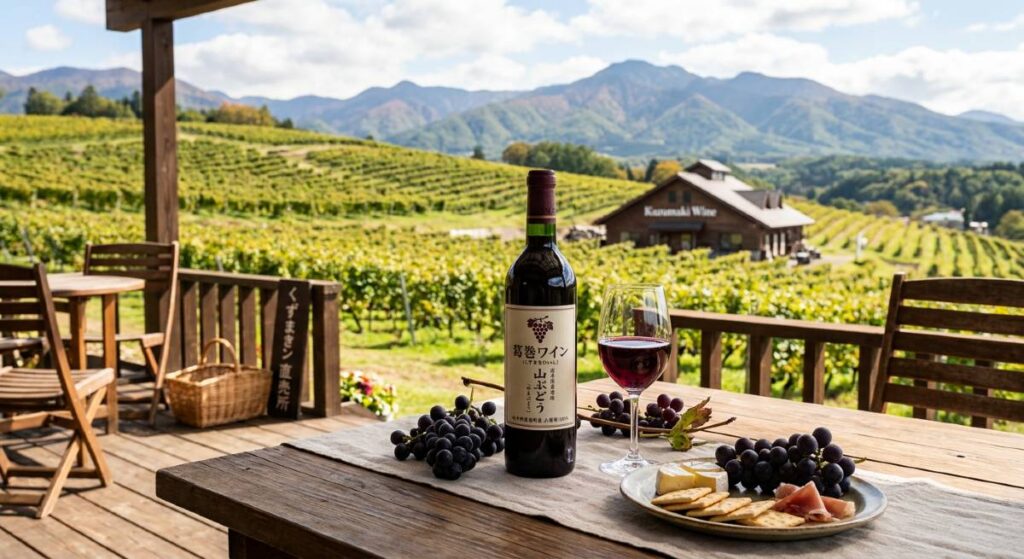
葛巻ワインの真髄は、日本固有の品種である「山ぶどう」にあります。栽培品種の葡萄とは異なり、山ぶどうは厳しい冬の寒さを生き抜くための強靭な生命力を備えています。この野生種が持つ、鋭くも気品のある酸味と、ポリフェノールを豊富に含んだ濃厚な渋みは、醸造家たちの手によって、複雑で重厚なワインへと昇華されます。それは、ただ果実味を楽しむ飲み物ではなく、この土地の寒暖差や厳しい冬の静寂といった「気候そのものを味わう」体験といえるでしょう。
The Intense Acidity and Profound Aftertaste of Indigenous Vitality
The essence of Kuzumaki Wine lies in “Yama-budo,” a variety indigenous to Japan. Unlike cultivated grape varieties, Yama-budo possesses robust vitality to survive the harsh winter cold. The sharp yet elegant acidity and the rich tannins—packed with polyphenols—inherent in this wild species are elevated by vintners into complex, profound wines. It is not merely a beverage to enjoy fruitiness; it is an experience of “tasting the climate itself,” including the temperature variations and the silence of the severe winters of this land.
酪農との共生が描く持続可能な未来への物語
葛巻のワイン作りには、酪農と密接に関わる循環の哲学が存在します。家畜の堆肥が土壌を豊かにし、その土壌が葡萄の根を深く張り巡らせる。この土地の循環システムは、単なる生産効率の追求ではなく、自然の摂理に寄り添った農的暮らしの体現です。グラスに注がれた一杯のワインには、開拓の精神と、大地を慈しむ人々の営みが溶け込んでいます。岩手の北端、この小さな高原の町でしか味わえない、野生と文明が交差する深淵な味わいをぜひ紐解いてみてください。
北上山地を吹き抜ける冷酷な風が、永い時間をかけて岩肌を「侵食」してきた一方で、牛たちと人々の共生は、黒く柔らかな命の土壌を静かに「堆積」させてきました。削り取られる荒野と、積み上げられる恵み。その二つの相反する力が拮抗する境界線にこそ、葛巻の真のテロワールが宿っているのです。グラスを傾ければ、冷たい夜空に瞬く銀河の星々すらも、このふくよかな大地の匂いに染まるかのような錯覚を覚えるでしょう。風と土、牛と葡萄。途切れることのない永遠の輪廻が、今宵もルビー色のひとしずくとなって、あなたの手の中で静かに輝きます。
■ English Version
A Story of a Sustainable Future, Drawn from Symbiosis with Dairy Farming
In Kuzumaki’s winemaking, there exists a philosophy of circulation closely linked to dairy farming. Livestock manure enriches the soil, and that soil allows the vine roots to spread deep. This local circular system is not merely a pursuit of production efficiency but an embodiment of an agricultural life that aligns with the laws of nature. A glass of wine contains the spirit of pioneering and the efforts of people who cherish the land. We invite you to unravel the profound taste where the wild and civilization intersect—a flavor that can only be experienced in this small highland town at the northern tip of Iwate.
While the unforgiving winds sweeping across the Kitakami Highlands have relentlessly “eroded” the rugged earth over the ages, the symbiosis of livestock and humans has quietly “accumulated” a dark, life-giving soil. The eroding wilderness and the accumulating bounty—it is precisely on the boundary where these two opposing forces counterbalance that Kuzumaki’s true terroir resides. As you tilt your glass, you may feel as though the twinkling stars of the Milky Way in the cold night sky are steeped in the rich scent of this earth. Wind and soil, cows and vines. The unbroken, eternal cycle shines quietly in the palm of your hand tonight as a single ruby drop.
■ WordPress設定データ
カテゴリー: 【県北 Northern Iwate】
タグ: [葛巻町, 循環型農業, テロワール, 日本ワイン, 酪農]
アクセスポイント(座標): [40.0278, 141.4368]
※葛巻町役場付近の座標です(フォーマット指定に沿い、岩手県北端の代表地点として北緯40度台を適用しています)
高原の豪雪が育むブナ原生林の静寂-1024x559.jpg)