遠野の風と鉄の記憶:橋野鉄鉱山が刻む日本の近代化 / The Winds of Tono and the Echoes of Iron: Hashino Iron Mining and Smelting Site

宮沢賢治の銀河を越えて:橋野鉄鉱山への旅路

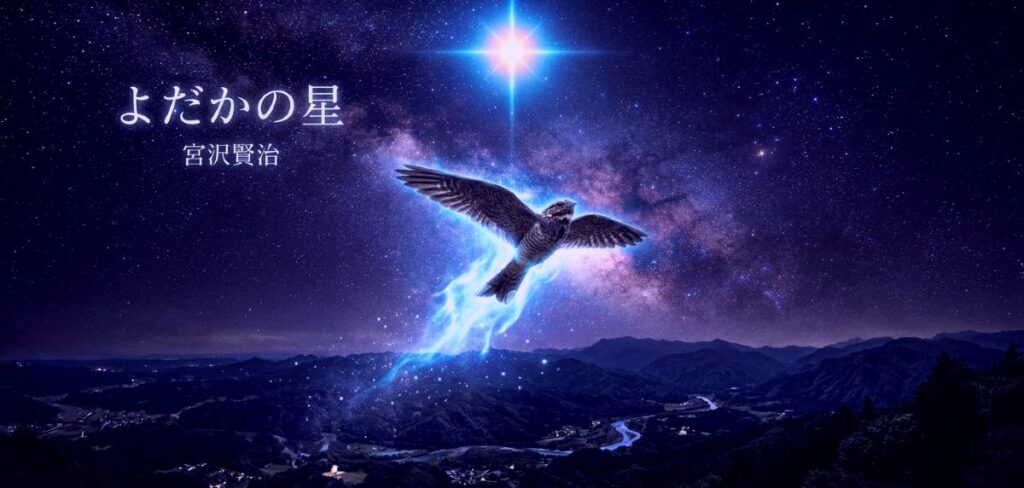
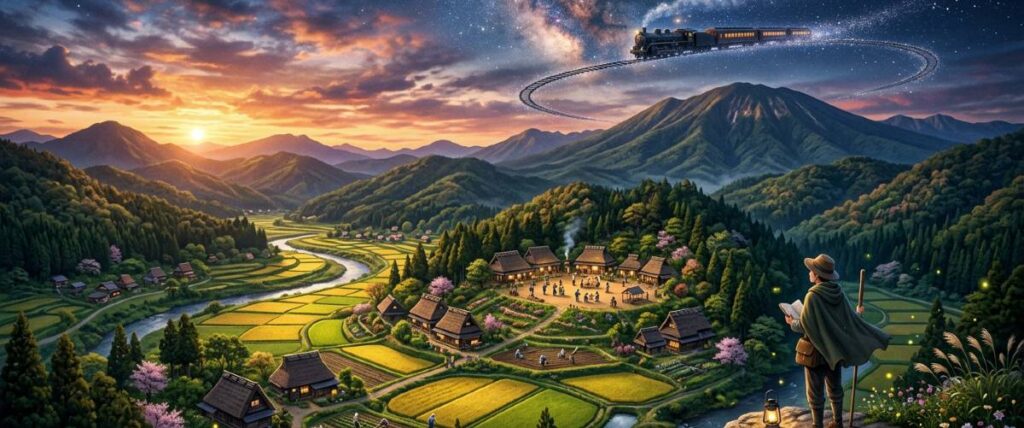
宮沢賢治の『銀河鉄道の夜』の情景を彷彿とさせる釜石線。遠野の山々を縫うように走り、内陸の神秘的な民話の世界から、海風香る釜石の港町へと抜けるこの路線は、まさに時空を旅する回廊です。しかし、この路線の先には、単なる観光地とは一線を画す、日本の近代産業史の原風景が隠されています。それが「橋野鉄鉱山」です。遠野の深い森の中に静かに佇むこの場所は、かつて日本初の洋式高炉が火を噴き、近代化という巨大な潮流を生み出した聖地でした。民話が息づく静寂の森と、鉄を溶かす熱き技術のコントラストは、訪れる者の想像力を強く刺激します。廃墟となった高炉跡は、自然の力に飲み込まれながらも、かつてここで日本の未来を切り拓こうとした人々の熱い息吹を、今なお現代に伝えているのです。

Beyond the Milky Way of Kenji Miyazawa: A Journey to Hashino

Beyond the Milky Way of Kenji Miyazawa: A Journey to Hashino

The Kamaishi Line, evocative of the celestial landscapes in Kenji Miyazawa’s “Night on the Galactic Railroad,” weaves through the verdant mountains of Tono, serving as a profound corridor that travels through both time and space. As the train moves from the mystical realm of ancient folklore toward the sea-scented port of Kamaishi, it reveals a hidden, primal landscape at its heart: the Hashino Iron Mining and Smelting Site.

Nestled silently in the deep forest, this was once a sacred industrial ground where Japan’s first Western-style blast furnace roared to life, sparking the massive tide of national modernization. The stark contrast between the quiet, legend-filled woods and the intense, heat-driven technology of molten iron powerfully stirs the observer’s imagination. Though the ruins of the furnace are now slowly being reclaimed by the relentless force of nature, they continue to echo the passionate breath of the pioneers who once carved out a path for Japan’s future, whispering their legacy to us in the present day.

三陸の宝石箱、宮古の瓶ドン / The Jewel Box of Sanriku: Miyako’s Bin-Don

牛乳瓶に詰まった三陸の結晶:瓶ドンの革新

岩手県宮古市の名物「瓶ドン」は、単なる海鮮丼を超えた、三陸の海を象徴するアートです。かつて、宮古の漁師たちが新鮮なウニを保存するために、滅菌した牛乳瓶に海水と共に詰めて持ち帰ったという伝統的な知恵。この「保存の技」が、現代の食文化と出会い、色鮮やかな海鮮を詰め込んだ贅沢な一品へと昇華されました。瓶を逆さにしてご飯の上に中身を流し込む瞬間、キラキラと輝くウニやイクラ、メカブが器を彩ります。それはまるで、岩手の荒々しくも豊かな海が、そのまま食卓に飛び込んできたかのような光景です。牛乳瓶というレトロな容器が、逆に新鮮な驚きを与え、三陸の海の幸を最も純粋な形で楽しませてくれるのです。この革新性は、伝統を単に守るだけでなく、時代に合わせてアップデートし続ける岩手の人々の柔軟な精神を体現しています。

静寂なガラス瓶の底に「堆積」した漁師たちの無骨な歴史は、いまや現代の鮮やかな感性によって「侵食」され、新たな光を放ち始めています。波の記憶を閉じ込めたこの小さな宇宙を白いご飯の上にほどくとき、私たちはただ海を味わうのではありません。永遠に波打ち続ける三陸の鼓動と、幾星霜をかけて磨き上げられた岩手の風土そのものを深く飲み込むのです。ガラス越しに瞬く原風景は、これからも私たちの食卓で、静かに、そして力強く息づいていくことでしょう。

■ English Version

A Crystallization of Sanriku in a Milk Bottle: The Innovation of Bin-Don

The famous “Bin-Don” of Miyako City is a culinary masterpiece that transcends the boundaries of a simple seafood bowl. Its roots lie in the ingenious tradition of local fishermen, who once used sterilized milk bottles filled with seawater to preserve the delicate freshness of sea urchins. Today, this “art of preservation” has been reimagined as a luxurious feast, where vibrant layers of seafood are packed into a single vessel. The moment you invert the bottle, a glittering cascade of sea urchin, salmon roe, and mekabu seaweed spills onto your rice like a treasure chest being opened. It is a sensory experience where the wild, bountiful essence of the Sanriku coast leaps directly onto your dining table. By repurposing the nostalgic milk bottle, this innovation offers a fresh surprise and proves that Iwate’s spirit is not just about guarding the past, but gracefully evolving with the times.

The rugged history of the fishermen, once quietly “accumulated” within these silent glass walls, has now been “eroded” and reshaped by modern sensibilities, radiating a brilliant new light. When we unravel this miniature universe of oceanic memories upon our bowls, we do more than simply taste the sea. We deeply swallow the eternal heartbeat of Sanriku and the very essence of Iwate’s landscape, polished over countless generations. This primordial scenery, captured behind glass, will continue to breathe quietly yet powerfully upon our tables for years to come.


■ WordPress設定データ

カテゴリー: 沿岸 Coastal Iwate
タグ: 瓶ドン, 宮古市, 三陸の海, 食文化, 伝統と革新
アクセスポイント(座標): 39.6415, 141.9463


遠野の物語と北山崎の断崖:岩手の魂を巡る旅 / The Legends of Tono and the Cliffs of Kitayamazaki: A Journey Through Iwate’s Soul

異界と現世が交差する地、遠野の深淵

岩手県の内陸に位置する遠野盆地は、単なる地方都市ではない。民俗学者・柳田國男が『遠野物語』で描き出したように、そこは異界と現世が隣り合わせで存在する境界の地である。周囲を山々に囲まれた閉鎖的な地形が、カッパや座敷童子といった伝承を育み、人々は自然の脅威と恩恵を「見えない存在」として畏怖し、共生してきた。この地を歩くことは、日本人の精神の深層にあるアニミズム的な自然観を追体験することに他ならない。遠野の静寂の中には、合理的な現代社会が忘れ去った、自然に対する謙虚な敬意が今も息づいている。

The Abyss of Tono: Where the Spirit World Meets Reality

The Tono Basin, located in the inland of Iwate, is far more than a rural town. As immortalized in Kunio Yanagita’s “The Legends of Tono,” it is a liminal space where the spirit world and reality coexist. Surrounded by mountains, this enclosed topography nurtured folklore such as the Kappa and Zashiki-warashi, reflecting a culture that perceives nature’s awe and benevolence through the lens of animism. To walk through Tono is to re-experience the profound depths of the Japanese psyche, where the boundary between the seen and unseen is perpetually blurred. Within the silence of Tono, a humble respect for nature—often forgotten in modern, rational society—still breathes.

北山崎の断崖が突きつける自然の暴力的な美学

遠野の静謐な山々を抜け、太平洋側へ向かうと、田野畑村・北山崎の圧倒的な断崖絶壁が我々を待ち受ける。高さ200メートルに及ぶ切り立った崖は、数億年をかけて波が削り出した地球の彫刻であり、日本屈指のリアス海岸のハイライトだ。ここには遠野の物語とは対照的な、生の荒々しい力が満ちている。激しく打ち寄せる波音は、自然が人間を寄せ付けない圧倒的な「他者」であることを突きつける。静寂の遠野から、荒ぶる海の北山崎へ。このコントラストこそが岩手が持つ二面性であり、私たちが自然とどう向き合うべきかという根源的な問いを投げかける旅となるだろう。

The Violent Aesthetics of Kitayamazaki’s Cliffs

Leaving the serene mountains of Tono for the Pacific coast, one encounters the sheer, dramatic precipices of Kitayamazaki in Tanohata Village. These 200-meter cliffs are a geological masterpiece, sculpted by waves over millions of years, and represent the pinnacle of Japan’s rias coastline. Here, unlike the introspective myths of Tono, one feels the raw, wild power of existence. The crashing waves serve as a stark reminder that nature is an overwhelming “other”—a force that exists entirely independent of human presence. As you stand on the edge of the abyss, the profound contrast between the silence of the forest and the fury of the sea reveals the fundamental duality of Iwate. This journey is a primal inquiry, challenging each visitor to reconsider their own place within the sublime and unforgiving order of the natural world.

遠野の霧と八幡平の竜の瞳:岩手の静寂とダイナミズムを巡る旅 / The Mist of Tono and the Dragon’s Eye of Hachimantai: A Journey Through Iwate’s Serenity and Dynamism

遠野盆地の朝霧:物語が息づく異界へのヴェール

岩手の朝、遠野盆地を包み込む深い霧は、単なる気象現象ではない。それは、柳田國男が『遠野物語』で描き出した異界への入り口であり、カッパや座敷わらしが今も息づく気配を現代に留めるヴェールである。盆地特有の放射冷却によって醸成されるこの雲海は、静寂の中で時の流れを止め、訪れる者の知的好奇心を揺さぶる。かつて南部藩の馬産地として栄えたこの地は、馬と人が共生する強靭な風土を育んできた。霧が晴れゆくにつれ、山々の稜線が浮かび上がる瞬間、私たちは歴史の深淵を垣間見る。この霧の静謐さは、これから向かう八幡平の荒々しい自然への、いわば精神的な助走のようなものである。

The Morning Mist of the Tono Basin: A Veil to the Folklore Realm

In Iwate, the morning mist enveloping the Tono Basin is far more than a mere meteorological occurrence. It acts as a veil separating the present from the “otherworld” immortalized in Kunio Yanagita’s Tono Monogatari, where the spirits of Kappa and Zashiki-warashi still linger. This sea of clouds, forged by the basin’s radiative cooling, suspends time in profound silence, stirring the intellectual curiosity of all who witness it. Once a thriving center for horse breeding under the Nambu Clan, the region cultivated a deep symbiosis between humanity and nature. As the mist disperses and the mountain ridges emerge, one catches a glimpse into the depths of history. This serenity serves as a spiritual prelude to the untamed wilderness of Hachimantai that awaits.

八幡平ドラゴンアイ:雪解けが可視化する地球の鼓動

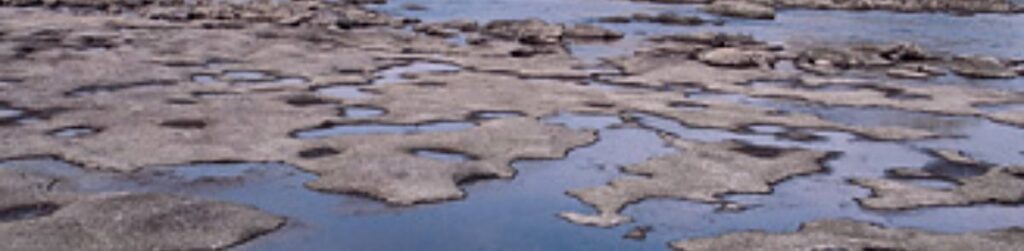
遠野の静寂から一転、八幡平の頂上付近に広がるのは、春の雪解けが織りなす「ドラゴンアイ」という名の奇跡である。鏡沼の雪解けが描く円形の造形は、まるで巨大な竜の瞳が静かに開眼したかのように見える。地熱と春の陽光が数週間という短い期間だけ作り出すこの現象は、火山活動が続く八幡平のダイナミズムそのものだ。雪の白さと沼の紺碧がコントラストを成すこの風景は、冬の終わりと生命の息吹の邂逅を象徴している。遠野の伝説的な霧が「物語の深さ」を語るならば、八幡平のドラゴンアイは「地球の鼓動」を可視化する。この高低差の旅は、岩手という土地が持つ、静と動、歴史と自然という二面性を体感する知的な冒険なのである。

The Dragon Eye of Hachimantai: The Earth’s Pulse Visualized

Transitioning from the stillness of Tono, the summit of Hachimantai unveils a miracle of spring thaw known as the “Dragon Eye.” The circular pattern formed by melting snow on Kagami-numa Lake evokes the image of a giant dragon’s eye slowly opening. This phenomenon, crafted over a few short weeks by geothermal heat and the spring sun, embodies the raw dynamism of the active Hachimantai volcano. The stark contrast between the white snow and the deep blue of the lake symbolizes the encounter between winter’s end and the breath of new life. If Tono’s legendary mist speaks to the “depth of folklore,” the Dragon Eye of Hachimantai visualizes thevery pulse of the Earth. This journey across contrasting altitudes is an intellectual adventure that invites you to experience the dual nature of Iwate—a land where silence and dynamism, history and nature, coexist in a profound and living mandala.

岩手に息づく鉄の魂:釜石の高炉から奥州・南部鉄器へ / The Soul of Iron in Iwate: From Kamaishi to Oshu

炎と職人が生み出す実用美

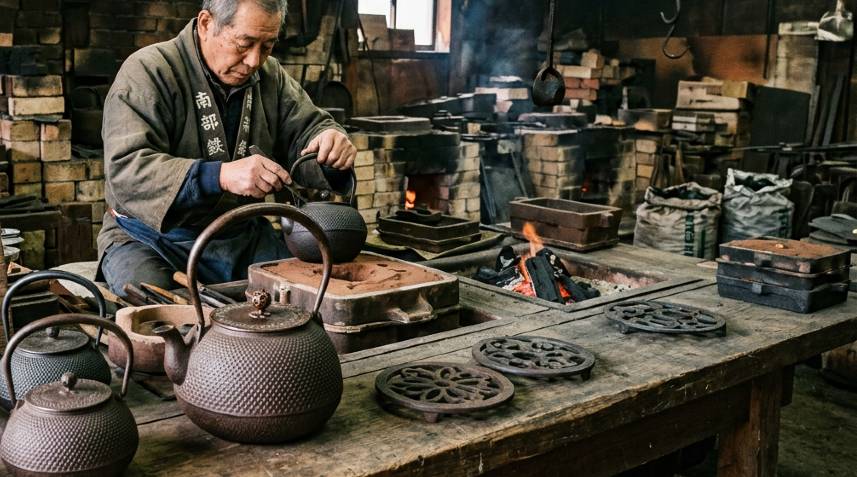
日本の近代製鉄は釜石の洋式高炉から始まりました。その鉄の記憶は、奥州市に伝わる「南部鉄器」の職人技へと繋がります。約900年の歴史を持つ南部鉄器は、灼熱の炎と職人の手仕事が生み出す実用美の極致。重厚な鉄肌に刻まれた精緻な紋様は、世代を超えて愛されています。釜石の革新と奥州の伝統。岩手で脈々と受け継がれる「鉄の魂」に触れる旅へ出かけましょう。

Functional Beauty Born of Fire and Artisans

Japan’s modern ironmaking began at Kamaishi’s blast furnace. This heritage connects to the master craftsmanship of Nambu Ironware in Oshu City. With a 900-year history, these ironwares are born from roaring flames and artisans’ hands, featuring intricate patterns. Experience the soul of iron passed down through Kamaishi’s innovation and Oshu’s tradition in Iwate.

📍 アクセス / Access

JR水沢江刺駅からタクシーで約10分
Approx. 10 mins by taxi from JR Mizusawa-Esashi Sta.

海から星降る夜空へ 岩手・鉄道ロマン旅 / A Romantic Railway Journey in Iwate

三陸の青い海から、賢治が描いた銀河の世界へ

青く輝く太平洋を横目に走る三陸鉄道。車窓を流れるリアス海岸の絶景は、息を呑む美しさです。荒波が悠久の時をかけて大地を削り出した「侵食」の芸術を堪能した後は、鉄路を西へ、内陸の花巻へと向かいます。

宮沢賢治が愛したこの地で夜空を見上げれば、そこはまるで『銀河鉄道の夜』の世界。満天の星が幾千年の時を超えて降り積もり、圧倒的な光の「堆積」となって、幻想的なレールを夜空に浮かび上がらせます。

海が削り出した地の記憶から、星々が紡ぎ出す天の記憶へ。波音の終着駅は、星めぐりの始発駅へと繋がっています。岩手という大地だけが描き出せる、空間と時間を越境するロマンチックな鉄道旅へ出かけてみませんか。

■ English Version

From the Blue Ocean to the Galactic Night Sky

The Sanriku Railway offers breathtaking views of the sparkling Pacific Ocean and the rugged ria coastline. After witnessing the magnificent art of “erosion”—where relentless waves have sculpted the earth over eons—the iron road carries you west, inland toward Hanamaki.

In this land deeply loved by Kenji Miyazawa, gazing at the night sky invites you directly into the world of his masterpiece, Night on the Galactic Railroad. Countless stars, traveling across millennia, pile up in a luminous “accumulation” of ancient light, illuminating phantom rails that stretch across the heavens.

From the earthly memories carved by the ocean to the celestial memories woven by the stars. The terminal of the crashing waves is merely the departure station for the cosmos. Why not embark on this romantic, time-transcending railway journey—a poetic odyssey that can only be truly felt here in Iwate.


■ WordPress設定データ

カテゴリー: 県南 Southern Iwate
タグ: 三陸鉄道, 花巻, 宮沢賢治, 銀河鉄道の夜, 星空
アクセスポイント(座標): 39.3945, 141.1118 (※星めぐりの始発駅・JR花巻駅付近)

岩手の大自然が描く奇跡:三陸海岸から八幡平ドラゴンアイへ / The Miracles of Iwate’s Nature: From Sanriku to the Dragon Eye

海と雪が織りなす圧倒的スケール

三陸海岸の荒々しい断崖から、内陸の八幡平へ。岩手の自然は躍動しています。春の訪れとともに姿を現すのが、雪解けの奇跡「八幡平ドラゴンアイ」。鏡沼の氷雪がドーナツ状に溶け、エメラルドブルーの巨大な瞳が空を見上げます。わずか数週間しか見られない幻の絶景。波が彫り上げた海岸線と、雪が描く神秘の瞳。荒々しさと美しさが交差する岩手の圧倒的なスケールを、その目に焼き付けてください。

Overwhelming Scale of Ocean and Snow

From the rugged cliffs of the Sanriku Coast to the mystical Mount Hachimantai, Iwate’s nature is dynamic. In spring, melting snow creates the miracle known as the “Hachimantai Dragon Eye.” The ice of Kagaminuma Pond thaws into a perfect ring, revealing a vast, emerald blue “eye” gazing up at the heavens. This ephemeral spectacle lasts only a few weeks—a phantom landscape born from the shifting seasons. Between the coastlines carved by relentless waves and this crystalline eye in the mountains, witness the breathtaking contrast and overwhelming scale of Iwate’s natural wonders, an experience that will stay etched in your memory forever.

海から里へ。岩手の心を繋ぐ「チャグチャグ馬コ」 / From the Coast to the Village: Iwate’s Chagu Chagu Umako

初夏に響く感謝の鈴音

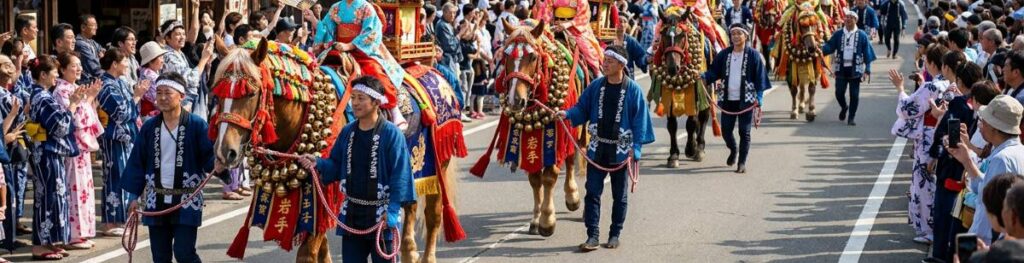
三陸の空を舞うウミネコに見送られ、内陸の滝沢市へ。初夏の風物詩「チャグチャグ馬コ」は、農耕馬に感謝を捧げる伝統行事です。色鮮やかな装束を纏った100頭以上の馬が、鈴の音を響かせながら農村から盛岡市へと行進します。人と馬が家族のように暮らしてきた歴史と、素朴で温かい岩手の原風景がここにあります。「日本の音風景100選」にも選ばれた癒やしの音色を、ぜひ体感してください。

Ringing Bells of Gratitude

Leave the coastal seagulls of Sanriku behind and head inland to Takizawa City for the legendary “Chagu Chagu Umako” festival—a vibrant early summer tradition dedicated to expressing profound gratitude to the farm horses that have long been the backbone of Iwate’s agriculture. This spectacular parade features over 100 horses adorned in brilliant, colorful regalia, processing from the rural shrines of Takizawa toward the center of Morioka City. As they walk, the rhythmic, clear jingling of their bells—a sound so iconic it was designated as one of the “100 Soundscapes of Japan”—fills the air with a sense of healing and tranquility. This event is a living testament to a unique cultural heritage where humans and horses have coexisted as family for centuries, capturing the rustic, warm, and resilient essence of the Iwate landscape.

塩の道が育んだソウルフード「遠野ジンギスカン」 / Tono Genghis Khan: Soul Food Born from the Salt Trail

独自の肉食文化が息づく内陸の町

沿岸と内陸を結ぶ交易路「塩の道」の宿場町として栄えた遠野。豊かな交流の歴史は独自の食文化を育みました。その代表格が「遠野ジンギスカン」です。昭和初期に羊毛用として飼育された羊の肉を食べる習慣が根付き、今や一家に一台専用鍋があるほどのソウルフードに。特製ダレに絡む野趣あふれる羊肉の旨みは、遠野の風土と歴史が重なる奥深い味わいです。

An Inland Town with a Unique Meat Culture

Tono thrived as a post town on the “Salt Trail” connecting the coast and inland. This history of trade birthed a unique food culture, notably “Tono Genghis Khan.” Beginning in the early Showa period, the custom of eating mutton—originally raised for wool—deeply permeated the local community, eventually evolving into a beloved soul food. Today, it is said that nearly every household in Tono owns a specialized Genghis Khan grill pan. The wild, robust umami of the meat, perfectly harmonized with a secret savory sauce, creates a profound flavor profile where the unique climate and rich history of Tono intersect. To dine on this dish is to taste the very vitality of a town that has served as a cultural crossroads for centuries.

岩手を彩る伝統の色:藍色から紫根・茜染へ / Traditional Colors of Iwate: From Indigo to Purple and Madder

海と城下町を繋ぐ、受け継がれる日本の色彩美

荒波に潜る海女の身を包む、かすり半纏の深い「藍色」。そこから内陸へ向かうと、盛岡の城下町には南部藩の庇護を受けた「紫根染・茜染」の優美な色彩が息づいています。海と共に生きる力強い青と、職人が草木から引き出す高貴な紫と赤。大自然と歴史が織りなす岩手ならではの色鮮やかな伝統は、今も色褪せることなく人々の心を魅了し続けています。

Connecting the Sea and the Castle Town

The deep indigo of the kasuri coats worn by ama divers reflects the powerful ocean. Inland, the elegant purple and red of Shikon and Akane dyeing thrive in Morioka’s castle town. Woven by nature and history, these beautiful traditional colors of Iwate continue to captivate our hearts today.

📍 アクセス / Access

盛岡駅からバスで約10分「中ノ橋通」下車すぐ / 10 mins by bus from Morioka Sta., get off at Nakanohashi-dori