Explore the mysterious legends of Tono and the healing waters of Kindaichi Onsen. A journey through the history of the Nanbu Domain awaits in Iwate. Discover the intersection of spirit and rest. #VisitIwate #Morioka #Tono #KindaichiOnsen #JapanHistory
From Tono’s Spirits to Ninohe’s Steam: A Journey into the Folklore and Healing Traditions of the Nanbu Domain
The “otherworld” of Tono and the “hot spring healing” (toji) of Ninohe. At first glance, these may seem like two separate cultures, but they are deeply intertwined within the grand historical framework of the Nanbu Domain, which once ruled over Iwate. The legend of the Zashiki-warashi born in Tono reveals a worldview where humans and spirits coexist side by side. Meanwhile, the toji culture preserved at Kindaichi Onsen in the north represents the physical wisdom necessary to survive the brutal winters of the northern lands. In this article, we trace a historical journey where Iwate’s spirituality and physicality intersect.
Wanko Soba is synonymous with Iwate. Yet, behind this flamboyant display of hospitality, where noodles are tossed into bowls in rapid succession, lies another resilient lineage of food nurtured in the harsh northern climate: millet (zakkoku).
If Wanko Soba represents the festive, extraordinary meals of hare (special occasions), then the millet culture passed down in the northern town of Karumai is the lifeline of ke (everyday life) that has long sustained the people of this region. Let’s explore the intersection of these two culinary traditions, as if piecing together the historical puzzle of Iwate.
Heading North from Morioka, you encounter a striking sight: white steam billowing into the sky from within the primeval forests of Hachimantai. This is not merely a mountain resort; it is a sacred site where the history of Japan’s geothermal energy was born, and where the Earth’s power continues to pulse beneath our feet.
荒ぶる火山の息吹を感じる絶景 / A Landscape Breathing with Volcanic Power
Stepping into the Matsukawa area, the distinct scent of sulfur and the steam rising from the ground remind you that this is a living volcano. The magnificent scenery of Hachimantai is a gift forged by volcanic activity over eons. Especially during the autumn foliage season, the sight of white steam rising from the blazing red and yellow gorge creates one of Iwate’s most breathtaking vistas—a perfect harmony of natural power and mystery.
1966年の挑戦:地熱を未来の光に / The 1966 Challenge: Turning Geothermal Heat into Future Light
Behind this scenery lies a story that reshaped Japan’s energy history. In 1966, the Matsukawa Geothermal Power Plant—Japan’s first commercial geothermal plant—began operation here. A volcano once feared as a fearsome mountain has been reborn as a “source of clean energy” through technological advancement. Rather than merely observing the heat inherent in Iwate’s nature, it converts it into light that illuminates the future. This geothermal power plant continues to operate quietly today, standing as a symbol of a new era where humanity and nature coexist in harmony.
The rigor of Iwate’s winters and its abundant nature long nurtured the mastery of the “Nambu Toji” (master brewers). Today, this tradition flourishes as a new miracle of fermentation in the coastal city of Rikuzentakata.
We explore how the techniques of communicating with microorganisms—refined through centuries of sake brewing—overcame the hardships of the Great East Japan Earthquake to create a “miracle soy sauce” that astonished the world. Join us as we trace the path of fermentation that touches the very depths of flavor.
Title: Inheriting the Soul of Iwate: From the Silence of Hayachine to the Dynamism of Otsuchi
Iwate Prefecture is a land defined by the dramatic contrast between its towering mountains and the rugged Sanriku coastline. Amidst this harsh yet bountiful nature, people have prayed, danced, and preserved their lives since ancient times.
In this article, we focus on two performing arts that symbolize the spirit of Iwate: “Hayachine Kagura” and “Otsuchi Toramai” (Tiger Dance). From the footsteps of gods echoing through silent mountains to the leaps of tigers braving the rough waves—understanding these two contrasting arts is nothing less than filling in the missing pieces of the grand puzzle of Iwate’s history.
Sculptor Kotaro Takamura and the Prehistoric Kuji: A Journey into Iwate’s Eternal Time
Iwate is more than just a place of scenic beauty. It is a land where the “form of truth” pursued by the poet and sculptor Kotaro Takamura coexists with the “fragments of life” presented by the land of Kuji across tens of millions of years.
Art created by human hands and history carved by the Earth itself—by moving between these two perspectives, a journey through Iwate transcends mere sightseeing and transforms into deep contemplation, traveling through time and space.
The Pulse of the Beast and the Memory of the Mountains: From Shishi-odori to the Matagi and the Tales of Tono
Iwate Prefecture is not merely a tourist destination; it is a place where the “awe of nature” and “coexistence with spirits”—elements often forgotten by modern society—still breathe with vivid intensity.
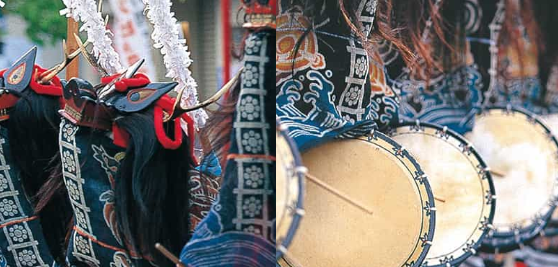
There is the Shishi-odori (Deer Dance), where dancers clutch drums to their chests and dance as if possessed by the souls of beasts. There are the hunting traditions of the Matagi, who transformed the life-and-death struggle in the rugged mountains into a sacred ritual. And then, there are the yokai (supernatural beings) dwelling on the threshold of reality, as immortalized in Kunio Yanagita’s “The Tales of Tono.” These are not isolated pieces of folklore, but fragments of a single, grand epic woven over centuries by the mountains of Iwate.
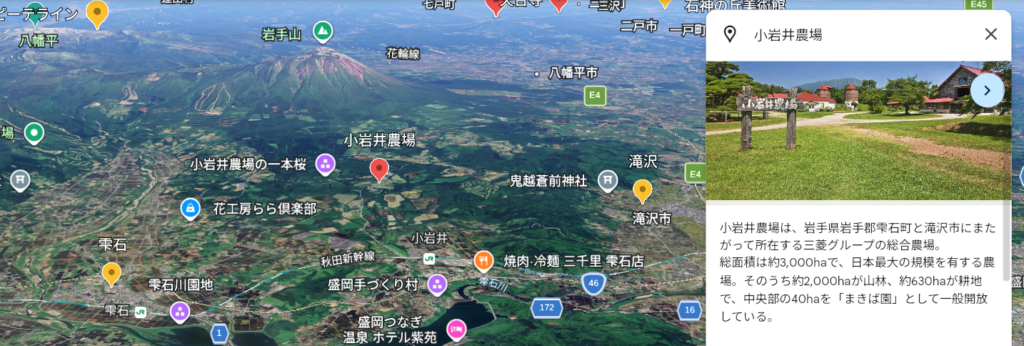
To discuss the food culture of Iwate Prefecture, one cannot overlook the history of livestock farming, which has long existed in harmony with the land. From the sheep culture exemplified by Tono’s Genghis Khan to the lineage of modern dairy farming pioneered at Koiwai Farm in Shizukuishi, these are not merely tourist spots or local delicacies. They are stories that serve as a microcosm of Japan’s modernization since the Meiji era. Let us unravel the history of how Iwate’s rich land was transformed into a thriving industry, connecting the dots of its past.
遠野の羊文化とジンギスカンの歴史
The Sheep Culture of Tono and the History of Genghis Khan
Tono Genghis Khan: A Flavorful Legacy of Industry and Passion
“Tono Genghis Khan,” a beloved dish in Tono City, is far more than just a local specialty. It is a flavorful legacy of Japan’s national history, tracing back to the sheep farming initiatives of the Taisho and early Showa eras.
During that period, Japan sought to achieve self-sufficiency in wool production, and Tono’s cool climate proved ideal for sheep, transforming the region into a major hub for the industry. Over time, the custom of eating the meat—not just harvesting the wool—became deeply rooted in the community. This gave rise to the unique culinary culture of “Tono Genghis Khan,” celebrated for its signature sauce and tender lamb. To savor this dish is to experience the enduring passion of the people who once strove to build Japan’s industrial foundation.
Miracles of Spring in the Iwate Peaks: Alpine Flora of Hayachine and the Dragon Eye of Hachimantai
Iwate Prefecture is a treasure trove of mountains, defined by the massive spine of the Kitakami Mountains. From the delicate alpine flora clinging to the jagged rocks of Mt. Hayachine to the mystical “Dragon Eye” that appears in Hachimantai with the arrival of spring, these are more than just breathtaking views; they are works of art sketched by Iwate’s harsh nature and the cycle of seasons. Connecting these two spots is a journey to understand the geological diversity of the Kitakami land and the remarkable resilience of the life that dwells within it.
The Sacred Grounds of Brewing: The Aesthetic of Fermentation in Iwate through Tono’s Hops and Nanbu Toji
Iwate Prefecture is one of the regions in Japan that most profoundly benefits from the culture of fermentation. The harsh winters and abundant clear streams of the Kitakami Mountains have long fostered an environment for deepening the dialogue with microorganisms. In this article, we visit two sacred sites: “Tono,” Japan’s leading producer of hops, and “Shiwa,” the home base of the “Nanbu Toji”—the legendary guild of master sake brewers. Join us as we explore the depths of the “liquid art” that is the pride of Iwate.