炎と職人が生み出す実用美
日本の近代製鉄は釜石の洋式高炉から始まりました。その鉄の記憶は、奥州市に伝わる「南部鉄器」の職人技へと繋がります。約900年の歴史を持つ南部鉄器は、灼熱の炎と職人の手仕事が生み出す実用美の極致。重厚な鉄肌に刻まれた精緻な紋様は、世代を超えて愛されています。釜石の革新と奥州の伝統。岩手で脈々と受け継がれる「鉄の魂」に触れる旅へ出かけましょう。
Functional Beauty Born of Fire and Artisans
Japan’s modern ironmaking began at Kamaishi’s blast furnace. This heritage connects to the master craftsmanship of Nambu Ironware in Oshu City. With a 900-year history, these ironwares are born from roaring flames and artisans’ hands, featuring intricate patterns. Experience the soul of iron passed down through Kamaishi’s innovation and Oshu’s tradition in Iwate.
📍 アクセス / Access
JR水沢江刺駅からタクシーで約10分
Approx. 10 mins by taxi from JR Mizusawa-Esashi Sta.
塩の道が育んだソウルフード「遠野ジンギスカン」 / Tono Genghis Khan: Soul Food Born from the Salt Trail
独自の肉食文化が息づく内陸の町
沿岸と内陸を結ぶ交易路「塩の道」の宿場町として栄えた遠野。豊かな交流の歴史は独自の食文化を育みました。その代表格が「遠野ジンギスカン」です。昭和初期に羊毛用として飼育された羊の肉を食べる習慣が根付き、今や一家に一台専用鍋があるほどのソウルフードに。特製ダレに絡む野趣あふれる羊肉の旨みは、遠野の風土と歴史が重なる奥深い味わいです。
An Inland Town with a Unique Meat Culture
Tono thrived as a post town on the “Salt Trail” connecting the coast and inland. This history of trade birthed a unique food culture, notably “Tono Genghis Khan.” Beginning in the early Showa period, the custom of eating mutton—originally raised for wool—deeply permeated the local community, eventually evolving into a beloved soul food. Today, it is said that nearly every household in Tono owns a specialized Genghis Khan grill pan. The wild, robust umami of the meat, perfectly harmonized with a secret savory sauce, creates a profound flavor profile where the unique climate and rich history of Tono intersect. To dine on this dish is to taste the very vitality of a town that has served as a cultural crossroads for centuries.
遠野の南部曲り家で語り継がれる囲炉裏端の伝承 / Hearthside Lore in Tono’s Nambu Magariya
火と馬と異界が交差するL字の小宇宙
遠野盆地に底冷えのする夕闇が降りてくる頃、人はなぜか火のそばへと引き寄せられる。柳田国男が『遠野物語』を著し、日本民俗学の夜明けを告げたこの地において、「南部曲り家」は単なる古い建築様式ではない。それは、厳しい自然と向き合う人々の切実な祈りと、異界への畏怖が凝縮されたL字型の小宇宙である。
曲り家の最大の特徴は、人間の住居である母屋と、馬の住処である厩(うまや)が直角に連結され、一つ屋根の下に収まっている点にある。なぜこのような構造が生まれたのか。それは、奥州南部藩の特産であった名馬への、異常なまでの愛情と生活の依存に他ならない。氷点下を彷徨う冬の夜、囲炉裏で焚かれた薪の暖気は、土間を伝って厩へと流れ込み、愛馬を凍えから守った。同時に、闇夜の中で静かに鼻を鳴らす馬の温かい吐息や蹄の音は、囲炉裏端に集う家族に言い知れぬ安心感を与えた。人間と獣という境界すら溶け合うこの濃密な共生空間が、人間の娘と馬の悲恋を描いた「オシラサマ」の伝承(馬娘婚姻譚)を生み出したのも、ある種の必然と言えよう。
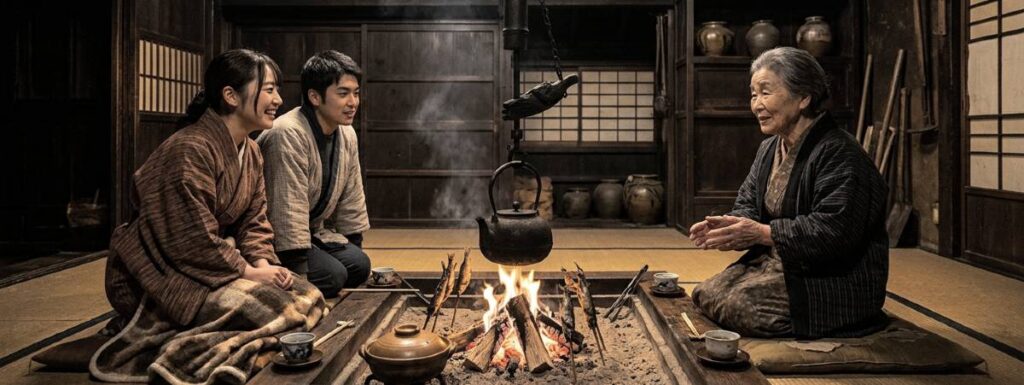
そして、この家の中心には常に「囲炉裏」があった。パチパチとはぜる楢の木の音、空間を燻す青白い煙、そして柱や梁に揺らめく不規則な火影。電灯の無い時代、囲炉裏の僅かな光の届かない部屋の四隅は、完全なる「暗黒」であり、異界そのものであった。炉端に身を寄せ合う老若男女の耳に、語り部の媼(おうな)が紡ぐ低い声が響く。座敷を駆け回る赤い顔の童子、山中でふと現れる豪壮な迷い家、そして神隠し。それは現代の私たちが消費する「おとぎ話」ではなく、山の神の気配や死者の魂の息遣いを感じ取るための、生々しいドキュメンタリーであったのだ。
今も遠野の里に残る曲り家の敷居を跨ぎ、永い年月を経て煤光りする太い梁を見上げてみてほしい。鼻腔をくすぐる煤煙の匂いの中に身を置けば、囲炉裏の火が照らし出していた深い闇の広がりと、そこに潜む不可視のものたちへの敬意が、あなたのDNAの奥底を静かに揺さぶるはずである。
The L-shaped Microcosm Where Fire, Horses, and the Underworld Intersect
As the bone-chilling dusk descends upon the Tono Basin, one feels an inexplicable pull toward the warmth of a fire. In this very land—where Kunio Yanagita penned *The Legends of Tono*, heralding the dawn of Japanese folklore studies—the traditional *Nambu Magariya* (L-shaped farmhouse) is far more than a mere architectural relic. It is an L-shaped microcosm, condensing the earnest prayers of people braving a harsh environment and their profound reverence for the otherworldly.
The defining feature of the *Magariya* lies in its right-angled structure, joining the main house—the realm of humans—with the stable under a single, continuous thatched roof. Why was such a unique design conceived? The answer lies in the extraordinary affection and absolute reliance the people of the Nambu domain had on their famed horses. During the freezing winter nights when temperatures plummeted, the warm air from the hearth flowed across the earthen floor into the stable, protecting their beloved steeds from the bitter cold. Simultaneously, the warm breath and quiet snorts of the horses in the dark bestowed an unspoken sense of security upon the family gathered around the fire. It is no wonder that this intimate space, where the boundary between human and beast melted away, gave birth to the legend of *Oshira-sama*—a tragic tale of marriage between a farmer’s daughter and her beloved horse.
At the very heart of this space was always the *irori* (sunken hearth). The crackling of oak firewood, the pale smoke curing the air, and the erratic shadows dancing upon the pillars and beams created an atmosphere of profound mystique. In an era devoid of electric light, the four corners of a room beyond the hearth’s faint glow were consumed by absolute darkness—the very embodiment of the otherworld. Huddled around the embers, young and old alike would listen to the low, resonant voice of the storyteller—often an elderly woman—weaving tales. A red-faced child spirit running through the parlor, a magnificent illusory mansion appearing deep in the mountains, or an abrupt spiriting away by supernatural forces. To them, these were not the sanitized
“fairy tales” we consume today, but a raw, vivid documentary intended to capture the presence of mountain deities and the rhythmic breathing of ancestral spirits. Inside the smoke-filled darkness, the boundary between this world and the “other side” was thin, and the tales told by the elders were essential maps for navigating the mysteries of existence.
Even now, I encourage you to visit the Magariya that remain in the Tono countryside. Gaze up at the lintels and the massive, soot-blackened beams that have acquired a dark luster over countless years. As you immerse yourself in the scent of smoke that tickles your senses, the expanse of the deep darkness once cast by the hearth and the enduring obsession with the invisible entities lurking within will surely resonate with the very depths of your DNA.
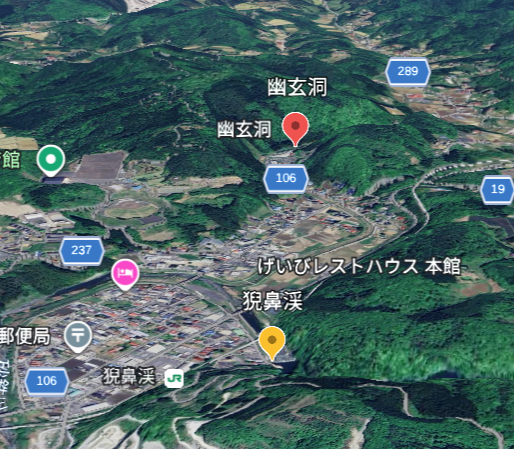
永劫の海鳴りを聴く——一関・幽玄洞と三億五千万年の記憶 / Hearing the Roar of the Eternal Ocean: Yugendo Cave and the Memories of 350 Million Years
滴る地下水が刻む「現在」と、岩壁に眠る「石炭紀の海」
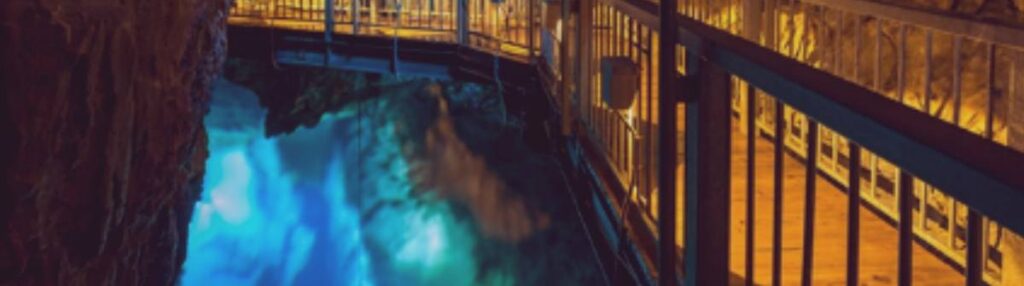
岩手県南部に位置する一関市東山町。木漏れ日が揺れる静謐な森の奥に、地球の深部へと続く小さな裂け目が口を開けている。「幽玄洞」——その名の通り、底知れぬ神秘を湛えたこの鍾乳洞に足を踏み入れると、肌を刺すような冷気と、石灰岩を舐めるように滴る地下水の幽かな響きに包まれる。だが、この洞窟が持つ真の恐ろしさと美しさは、自然が気の遠くなるような時間をかけて造り上げた鍾乳石の造形だけにあるのではない。濡れた岩壁にカンテラの光を当て、目を凝らしてみてほしい。そこには、ウミユリの茎やフズリナ、三葉虫、そして古代のサンゴたちが、まるでつい先ほどまで生きていたかのように立体的な姿をとどめている。彼らが海を泳ぎ、波に揺らめいていたのは約三億五千万年前、古生代石炭紀のことだ。
ここで少し、目眩がするような「地球の寄り道」に付き合っていただきたい。三億五千万年前、現在私たちが立っているこの岩手の大地は、ここには存在していなかった。当時、地球上の陸地は巨大な超大陸パンゲアへと集結しつつあり、今の北上山地を形作る岩盤は、なんと赤道直下の暖かく浅い海(パンサラッサ海)にあったのだ。生命がひしめく熱帯のサンゴ礁は、やがて死して分厚い石灰岩の地層となり、プレートの運動という地球の巨大なベルトコンベアに乗って、途方もない年月をかけて北上を続けた。そして幾度もの地殻変動と激しい隆起を経て、この極東の島国、東北の山奥にたどり着いたのである。あなたが今、幽玄洞の暗闇で触れている冷たい岩肌は、赤道の熱を記憶したまま凍りついた「数億年の旅の終着点」に他ならない。
洞奥へと進むにつれ、透明なエメラルドグリーンを湛えた地底湖が現れる。ポトリ、ポトリと暗闇にこだまする水滴の音は、一センチの鍾乳石を育てるのに百年の歳月を費やす「現在」の時計の針だ。一方で、壁面に埋め込まれた化石たちは「三億五千万年前」の姿のまま、完全に時間を止めている。幽玄洞とは、現在進行形で滴り続ける地質学的時間と、遠い古生代の記憶とが、静寂の中でひっそりと交差する奇跡の空間である。ここでそっと目を閉じれば、頭上の森を吹き抜ける風の音に混じって、遥かなる赤道の海鳴りが聞こえてこないだろうか。
The “Present” Carved by Dripping Groundwater and the “Carboniferous Sea” Slumbering in the Rock Walls
Located in Higashiyama-cho, Ichinoseki City, in the southern part of Iwate Prefecture, a modest fissure leading to the depths of the Earth yawns quietly deep within a tranquil forest dappled with sunlight. “Yugendo” (The Cave of Profound Mystery)—stepping into this limestone cavern, which lives up to its name by brimming with an unfathomable enigma, you are immediately enveloped by a piercingly cool air and the faint, echoing symphony of groundwater lapping against the limestone. However, the true awe and beauty of this subterranean realm do not lie solely in the geological formations of stalactites crafted over mind-boggling stretches of time. Shine the light of your lantern upon the damp, glistening rock walls and peer closely. There, preserved in astonishing three-dimensional relief, lie the remnants of crinoid stems, fusulinids, trilobites, and ancient corals, looking as though they were pulsing with life but a moment ago. The time when they swam and swayed in the ocean currents was approximately 350 million years ago, during the Carboniferous period of the Paleozoic era.
Here, I invite you to indulge in a dizzying “geological detour.” Three hundred and fifty million years ago, the very land of Iwate upon which we now stand did not exist in its current location. At that time, the Earth’s landmasses were gradually coalescing into the supercontinent Pangea, and the bedrock that now forms the Kitakami Mountains was situated in a warm, shallow sea (the Panthalassic Ocean) directly beneath the equator. The tropical coral reefs, teeming with life, eventually died and calcified into thick layers of limestone. Riding the immense conveyor belt of the Earth known as plate tectonics, this colossal raft of stone embarked on an agonizingly slow northward journey over incomprehensible eons. After undergoing countless tectonic shifts and violent continental upheavals, it finally arrived here, deep in the mountains of the Tohoku region in this Far Eastern archipelago. The cold rock face you touch today in the darkness of Yugendo is nothing less than the terminus of a multi-million-year odyssey, frozen in time yet still holding the primordial memory of equatorial heat.
As you venture deeper into the abyss, a subterranean lake brimming with translucent emerald-green water reveals itself. The *drip, drip* of falling water droplets echoing in the dark serves as the ticking hand of the”present.” Conversely, the fossils embedded within the walls have held time perfectly still for 350 million years. Yugendo is a threshold of the blue—a space where geological time, still flowing today, quietly intersects with the ancient memories of the Paleozoic era. If you close your eyes here, perhaps you will hear the roar of the eternal ocean from that unimaginably distant era, drifting through the sound of the wind as it brushes past the forests far above ground.
白銀のゆりかごが育む命の記憶:西和賀、雪と発酵のガストロノミー / Memories of Life Cradled in White: The Gastronomy of Snow and Fermentation in Nishiwaga
雪下の錬金術——奥羽山脈が強いた「時を喰む」知恵
岩手県の西端、秋田県との県境に横たわる奥羽山脈の懐に抱かれた西和賀町。冬になれば数メートルもの雪にすっぽりと覆い尽くされるこの地では、静寂すらも質量を持ってのしかかってくるように感じられる。日本海でたっぷりと水蒸気を吸い込んだ北西の季節風が、奥羽の峰々にぶつかって豪雪をもたらすこの厳しい気象条件は、かつて人々を数ヶ月にわたる深い孤絶へと追いやった。しかし、この圧倒的な「白」の暴力とも言える自然環境こそが、世界でも類を見ない特異で深淵な食文化をこの地に編み出させたのである。
春、雪どけの泥土から顔を出す「西わらび」をはじめとする山菜たちは、一時の舌の歓楽のためにあるのではない。それは、次の冬を生き抜くための「命の備蓄」の始まりを告げる号砲である。人々は春から秋にかけて山野を駆け巡り、収穫したわらびやゼンマイ、キノコ類を塩蔵し、あるいは天日に干し上げた。特筆すべきは、ただ物理的に保存するだけではなく、そこに「発酵」という目に見えない微生物の魔法を掛け合わせた点である。
ここで注目したいのが、「雪室(ゆきむろ)」という天然のインフラストラクチャーだ。外気が氷点下を大きく下回る厳冬期にあっても、厚い雪の層の下は常に0度から2度前後、湿度100%という極めて安定した微気候(マイクロクライメイト)が保たれている。先人たちはこの雪を厄介者として排斥するのではなく、巨大な「白銀のゆりかご」として利用した。塩蔵した山菜の塩抜きや、漬物の乳酸発酵は、この凍りつくことのない定温の暗闇の中で、ゆっくりと、しかし確実に進行する。大根を囲炉裏の煙で燻してから漬け込む「いぶりがっこ」や、山菜の乳酸発酵漬け、そして厳しい寒さの中で体を芯から温める栄養満点の「納豆汁」——。これらはすべて、限られた食材の栄養価と保存性を極限まで高めようとした「雪下の錬金術」の結晶である。
西和賀の保存食を口に運ぶとき、我々は単なる郷土料理を味わっているのではない。奥羽の地質がもたらした気候の厳しさと、その中で無数の微生物たちが静かに時を刻んだ「発酵の軌跡」を噛み締めているのだ。雪の静寂の底でじっと春を待った生命の息吹と、風土に寄り添い生きた人々の祈りにも似た執念。その深い旨味とほのかな酸味の奥には、岩手の峻厳なる自然と共生する、人間の美しき矜持が隠されている。
Alchemy Beneath the Snow: The Wisdom of “Consuming Time” Forged by the Ou Mountains
Nestled deep within the embrace of the Ou Mountains on the western edge of Iwate Prefecture, bordering Akita, lies the town of Nishiwaga. Come winter, this land is buried beneath several meters of snow, a place where even the silence seems to bear an immense, physical weight. The harsh meteorological conditions—born from northwesterly seasonal winds absorbing vast amounts of moisture over the Sea of Japan before crashing into the Ou peaks to unleash torrential snowfall—once forced the local inhabitants into months of profound isolation. Yet, it is precisely this overwhelming, almost violent manifestation of nature’s “white” that gave rise to a uniquely profound food culture unparalleled in the world.
In spring, when wild mountain vegetables like the prized “Nishi-warabi” (bracken) poke their heads through the thawing mud, they are not merely seen as a fleeting gastronomic delight. Rather, their emergence signals the beginning of stockpiling life for the coming winter. From spring through autumn, the locals would forage the mountainsides, harvesting bracken, ferns, and mushrooms, carefully preserving them through salting or sun-drying. What is truly remarkable is that they did not stop at mere physical preservation; they introduced the invisible magic of microorganisms—fermentation.
Here, we must turn our attention to the natural infrastructure known as the *Yukimuro*, or snow room. Even when outside temperatures plummet far below freezing, the environment beneath the thick blanket of snow maintains an incredibly stable microclimate of around zero to two degrees Celsius with near 100% humidity. Instead of rejecting the snow as a nuisance, the ancestors utilized it as a massive “silvery cradle.” The desalination of salted wild vegetables and the lactic acid fermentation of pickles progress slowly but surely in this unfrozen, constant-temperature darkness. Radishes smoked over hearth fires before being pickled, mountain herbs subjected to lactic fermentation, and rich, soul-warming *Natto-jiru* (fermented soybean soup) designed to thaw a frozen body from the core—these are all masterpieces of alchemy beneath the snow, born from the strategic necessity to maximize the nutritional value and shelf-life of every precious ingredient. In this frozen darkness, time is not simply passing; it is being “consumed” and transformed into deep, complex flavors.
When you taste the preserved foods of Nishiwaga, you are not merely sampling regional cuisine. You are savoring the “trajectory of fermentation”—a process where countless microorganisms have quietly ticked away the hours within the geological wisdom of the Ou Mountains. It is a bounty of life that waited patiently in the snowy silence for spring, reflecting a tenacity akin to prayer from the people who live in harmony with this land. Behind that deep umami and subtle acidity lies the resilient pride of humans coexisting with the rigorous, beautiful nature of Iwate.
-1024x439.jpg)
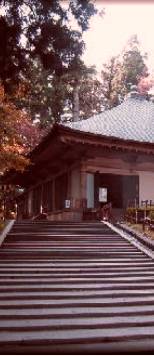
祈りの地:平泉・中尊寺 / Hiraizumi Chuson-ji: Sanctuary of Prayer
千年の時を超える「浄土」への願い
沿岸部の復興を願う岩手の祈りのルーツは、約900年前に遡ります。戦乱で傷ついた地に、奥州藤原氏は「敵味方なく御霊を慰める」ため平泉・中尊寺を建立。黄金に輝く金色堂には、争いのない理想郷「浄土」への切なる願いが込められています。千年の時を超える平和への祈りを、ぜひ現地で体感してください。【アクセス】JR平泉駅から巡回バスで約10分
A Millennium of Prayers for Peace
Iwate’s coastal prayers for recovery echo a 900-year-old wish. The Fujiwara clan built Chuson-ji Temple to console all souls equally. The Golden Hall embodies their dream of a peaceful Pure Land. Experience this eternal prayer for peace yourself. [Access] 10 mins by bus from JR Hiraizumi Station.
📍 アクセス / Access
JR平泉駅からバス約10分 / 10 mins by bus from JR Hiraizumi Sta.
海と山の最高傑作:アワビと前沢牛 / Sea & Land Masterpieces: Abalone & Maesawa Beef
献上級の美食を巡る旅
荒波が育む三陸の肉厚アワビと、豊かな大地が育む極上の霜降り「前沢牛」。岩手が誇る海と山の最高傑作は、かつて朝廷などに献上された歴史を持つ至高の食材です。磯の香りと奥深い旨味が弾けるアワビ、舌の上でとろける甘い脂の前沢牛。沿岸から内陸へ車を走らせれば、この二大グルメを一度の旅で堪能できます。究極の美食体験をぜひ岩手で。
A Journey of Imperial Gastronomy
Sanriku’s premium abalone, nurtured by rough seas, and Maesawa Beef, offering ultimate marbled perfection. These coastal and inland masterpieces boast a history of being presented to emperors. Experience the ocean’s deep umami and the melting sweetness of premium beef on a single road trip across Iwate.
📍 アクセス / Access
盛岡駅から新幹線で一ノ関駅へ、そこから在来線で前沢駅へ / Access via Shinkansen from Morioka to Ichinoseki, then local train to Maesawa.

銀河の記憶を辿る:奥州水沢と宇宙への挑戦 / Tracing Galactic Memories: Oshu Mizusawa and the Quest to the Cosmos
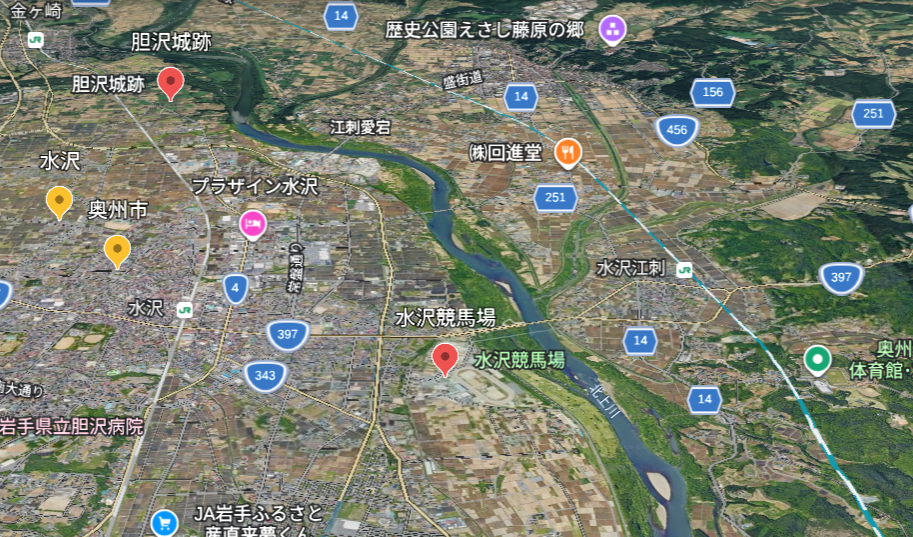
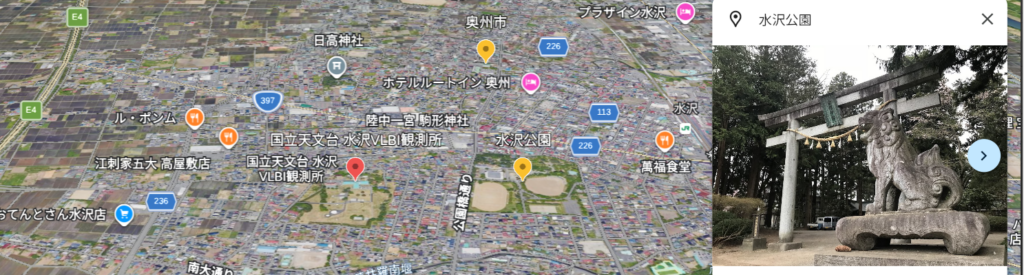
岩手の夜空を見上げると、宮沢賢治が描いた「銀河鉄道の夜」の世界が、今にも頭上に広がりそうな錯覚に陥る。しかし、この澄み渡る大気の下には、単なる文学的なロマンだけではない、宇宙の真理を解き明かすための「科学の目」が百二十年以上にわたり開かれ続けている。奥州市水沢。この地には、人類が宇宙という広大なパズルに挑むための最前線、国立天文台水沢VLBI観測所が存在する。
かつて賢治が想像力という切符を手に銀河を旅したように、現代の天文学者たちは巨大なパラボラアンテナという名の銀河鉄道に乗り込み、光さえも逃さぬブラックホールの輪郭さえも捉えようとしている。イーハトーブの冷涼な風が吹き抜けるこの森で、詩人の夢と科学者の探求は交差する。目に見える星々の瞬きが織りなす「ロマンの堆積」と、見えない電波が定説を打ち崩していく「真理の侵食」。相反するふたつの眼差しは、ともに果てしない漆黒の闇へと向けられ、岩手の大地から深遠なる宇宙の姿を静かに描き出し続けているのだ。
■ English Version
The Scientific Reality Beneath the Galactic Skies
Gazing up at the night sky in Iwate, one can easily fall under the illusion that the world of Kenji Miyazawa’s “Night on the Galactic Railroad” is about to unfold overhead. Yet, beneath this crystal-clear atmosphere lies more than just literary romance; there exists a “scientific eye” that has been observing the truths of the universe for over 120 years. In Oshu City’s Mizusawa district stands the frontline of humanity’s quest to solve the vast puzzle of the universe: the National Astronomical Observatory of Japan (NAOJ) Mizusawa VLBI Observatory.
Just as Miyazawa once traveled the galaxy clutching a ticket forged from pure imagination, modern astronomers board their own galactic railroad—in the form of massive parabolic antennas—to capture the very contours of invisible black holes. In these serene woods, swept by the crisp winds of Ihatov, a poet’s dream and scientific inquiry gracefully intersect. The “sedimentation of romance” woven by the twinkling of visible stars, and the “erosion of truth” where unseen radio waves break down old paradigms; these two contrasting gazes are both cast into the boundless, pitch-black void, quietly continuing to delineate the profound mysteries of the cosmos from the soil of Iwate.
■ WordPress設定データ
カテゴリー: 県南 Southern Iwate
タグ: 奥州市, 宮沢賢治, 国立天文台水沢, 星空, 科学
アクセスポイント(座標): 39.1348, 141.1332
鉄の系譜:盛岡の南部鉄器から釜石の近代製鉄への架け橋 / The Iron Lineage: From Morioka’s Nambu Tekki to the Dawn of Modern Steelmaking in Kamaishi
岩手の歴史を語る上で、決して欠かすことのできない「鉄」。それは単なる資源ではなく、盛岡の伝統工芸「南部鉄器」の繊細な美意識と、釜石の「橋野鉄鉱山」が切り拓いた近代産業の力強さという、二つの大きな潮流を繋ぐ物語です。岩手が歩んできた鉄の歴史を紐解くことは、日本のものづくりの精神を探求する旅でもあります。
燃え盛る高炉が岩手の深い森に吐き出した熱は、幾星霜を経て日本の近代化という地層に分厚く「堆積」しました。一方で、茶室の静寂に響く南部鉄瓶の湯音(松風)は、人々の暮らしに寄り添いながら、時の流れとともに不要なものを「侵食」し、純粋な用の美だけを研ぎ澄ませてきたのです。
赤々と燃え上がる釜石の「動」の鉄と、黒く沈み込む盛岡の「静」の鉄。一見相反するこれら二つの鉄の系譜は、いずれもみちのくの厳しい自然と向き合い、祈るように火を操った人々の営みから生まれました。手のひらに伝わる鈍色(にびいろ)の温もりの中に、私たちは今も確かに、岩手の大地が抱く熱き血潮の鼓動を感じるのです。
■ English Version
The Iron Lineage: From Morioka’s Nambu Tekki to the Dawn of Modern Steelmaking in Kamaishi
Iron is inseparable from the history of Iwate. It is not merely a resource, but a narrative that connects two major currents: the delicate aesthetic of Morioka’s traditional craftsmanship in “Nambu Tekki” and the robust industrial strength pioneered at Kamaishi’s “Hashino Iron Mine.” To unravel the history of iron in Iwate is to embark on a journey that explores the very soul of Japanese manufacturing spirit.
The intense heat exhaled by blazing blast furnaces into Iwate’s deep forests has, over the ages, heavily “accumulated” within the bedrock of Japan’s modernization. Conversely, the soothing murmurs of a boiling Nambu iron kettle echoing in the quietude of a tea room have quietly accompanied people’s daily lives, gracefully “eroding” the superfluous over time to carve out a pure, functional beauty.
The crimson, dynamic iron of Kamaishi, and the deep-black, static iron of Morioka. Though these two lineages of iron may seem contradictory, both were forged from the prayers of those who confronted the harsh nature of Michinoku and mastered its primal fire. In the profound, dark warmth of the iron resting in our palms, we can still unmistakably feel the fervent, pulsing heartbeat of Iwate’s earth.
■ WordPress設定データ
カテゴリー: 沿岸 Coastal Iwate
タグ: 南部鉄器, 橋野鉄鉱山, 近代化産業遺産, 伝統工芸, ものづくり
アクセスポイント(座標): 39.3364, 141.6917 (※釜石市・橋野鉄鉱山跡付近の座標。日本の近代製鉄の原点として設定)
時を遡る地質学の旅:北上山地の深淵と龍泉洞「ドラゴンブルー」の神秘 / A Geological Journey Through Time: The Abyss of the Kitakami Mountains and the Mystery of Ryusendo’s “Dragon Blue”
地球の記憶が眠る場所:北上山地というタイムカプセル
岩手県の中央から東部を占める北上山地は、単なる山塊ではありません。それは、日本列島の形成史を紐解くための鍵となる巨大なタイムカプセルです。この地層の一部は、約4億年前の古生代にまで遡ります。大陸プレートの衝突と分離、そして気の遠くなるような長い時間をかけた隆起と侵食。私たちが今日目にするこの雄大な景観は、地球という惑星が繰り返してきた激しい営みの「結果」に過ぎません。北上山地を歩くことは、地質学的な時間軸において、人類の歴史がいかに瞬きのような短さであるかを痛感する、知的な巡礼の旅なのです。
A Place Where Earth’s Memory Sleeps: The Time Capsule of the Kitakami Mountains
The Kitakami Mountains, covering the central and eastern parts of Iwate Prefecture, are far more than a mere mountain range. They are a colossal time capsule, holding the keys to unlocking the formation history of the Japanese archipelago. Parts of these strata date back to the Paleozoic Era, some 400 million years ago. Through the collision and separation of tectonic plates, followed by eons of uplift and erosion, the majestic landscape we see today is merely the “result” of the planet’s violent, repetitive labor. Walking through the Kitakami Mountains is an intellectual pilgrimage—one that makes us acutely aware of how fleeting human history is when measured against the geological timeline.
石灰岩の迷宮:龍泉洞が語る水の彫刻
北上山地の懐深く、岩泉町に位置する「龍泉洞」は、この古生代の地層が作り出した芸術作品です。かつて海底にあった石灰岩層が隆起し、長い年月をかけて雨水や地下水によって溶かされたことで、この巨大な洞窟群は形成されました。洞内に入ると、そこは外界とは異なる時間軸が流れる空間です。鍾乳石が数センチ伸びるのに数百年を要するという事実は、私たちがこの空間で直面しているのが、人間的なスケールを遥かに超越した「永遠」に近い時間であることを物語っています。
数億年という果てしない時をかけて海の底に「堆積」した命の記憶は、今度は暗闇を流れる澄み切った地下水によって静かに「侵食」され、底なしの青を湛える地底湖へと生まれ変わりました。堆積という過去の蓄積と、侵食という現在進行形の彫刻。その果てしない破壊と創造の狭間で、一滴の水が水面を叩く澄んだ音が響くとき。私たちは、岩手の大地が内包する大いなる自然の循環と、地球の静かな呼吸を、自らの魂の底に聴くのです。
■ English Version
The Labyrinth of Limestone: Water’s Sculpture in Ryusendo
Deep within the embrace of the Kitakami Mountains, in Iwaizumi Town, lies “Ryusendo Cave”—a work of art crafted by these Paleozoic strata. This vast cavern system was formed when limestone layers, once resting at the bottom of the ancient sea, uplifted and were slowly dissolved by rainwater and groundwater over eons. Stepping inside, one enters a realm where an entirely different axis of time prevails. The fact that a stalactite requires centuries to grow mere centimeters tells us that we are confronting a time akin to “eternity,” far transcending any human scale.
The memories of life, patiently “deposited” at the ocean floor over hundreds of millions of years, are now being quietly “eroded” by crystal-clear groundwater flowing through the dark, reborn into subterranean lakes filled with a bottomless, mesmerizing blue. Between the past accumulation of deposition and the ongoing sculpture of erosion—within this endless cycle of destruction and creation—a single drop of water echoes as it strikes the pristine surface. In that resonance, we hear the profound circulation of nature embraced by the land of Iwate, feeling the quiet breathing of the earth deep within our own souls.
■ メタデータ
カテゴリー: 沿岸 Coastal Iwate
タグ: 龍泉洞, 地底湖, 北上山地, 石灰岩, 自然の循環