黄金の夢を追う二刀流:花巻の土壌が育んだ大谷翔平と「イーハトーブ」の精神

Pursuit of the Golden Dream: Shohei Ohtani and the Spirit of "Ihatov" Nurtured by Hanamaki’s Soil

現代のベースボール界で不可能を可能にし続ける大谷翔平。彼のルーツは、岩手県花巻市にあります。彼が花巻東高校で過ごした3年間は、単なる技術習得の期間ではありませんでした。それは、宮沢賢治がかつてこの地に描いた「理想郷(イーハトーブ)」の精神――すなわち、既成概念にとらわれず、世界全体の幸福と自らの夢を重ね合わせる高潔な志を、現代の形で具現化するプロセスだったのかもしれません。

花巻東高校:常識を疑うことから始まる挑戦
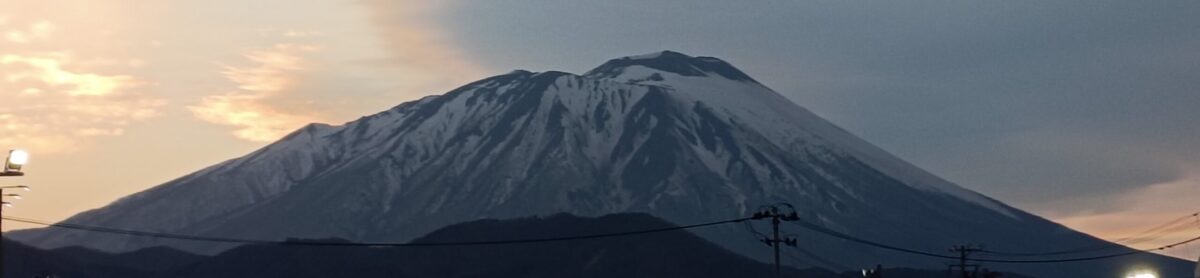
花巻の厳しい冬を越え、岩手山を仰ぎ見て過ごした日々。大谷選手が掲げた「二刀流」という前人未到の挑戦は、この地が持つ「不撓不屈」の精神と、花巻東高校の「先入観は可能を不可能にする」という哲学から生まれました。

賢治の理想と大谷の軌跡
宮沢賢治は「世界がぜんたい幸福にならないうちは個人の幸福はあり得ない」と説きました。大谷選手がグラウンドで見せるゴミ拾いや、常に謙虚でありながら高みを目指す姿勢は、まさに賢治が求めた「デクノボー(自分を勘定に入れず、人のために尽くす聖者)」の現代的な進化系とも言えるでしょう。花巻という土地は、今もなお、世界を驚かせる「純粋な夢」を育む特別な力を持っています。


Shohei Ohtani continues to make the impossible possible in the world of modern baseball. His roots lie in Hanamaki City, Iwate Prefecture. The three years he spent at Hanamaki Higashi High School were more than just a period of technical training. It was a process of embodying, in a modern form, the spirit of "Ihatov"—the utopia once envisioned by Kenji Miyazawa on this very land—a noble ambition to align one's dreams with the happiness of the entire world, free from conventional constraints.

Hanamaki Higashi High School: Challenges Beginning with Questioning Common Sense
Days spent enduring the harsh winters of Hanamaki and looking up at the majestic Mt. Iwate. Ohtani’s unprecedented "two-way" challenge was born from the "indomitable spirit" inherent in this land and the philosophy of Hanamaki Higashi High School: "Preconceptions turn the possible into the impossible."

Kenji’s Ideals and Ohtani’s Trajectory
Kenji Miyazawa taught that "unless the entire world is happy, individual happiness is impossible." Ohtani’s habit of picking up trash on the field and his humble yet relentless pursuit of greatness can be seen as a modern evolution of the "Dekunobo"—the selfless figure Kenji aspired to be, who works for others without regard for personal gain. The land of Hanamaki still possesses a special power to nurture "pure dreams" that astonish the world.

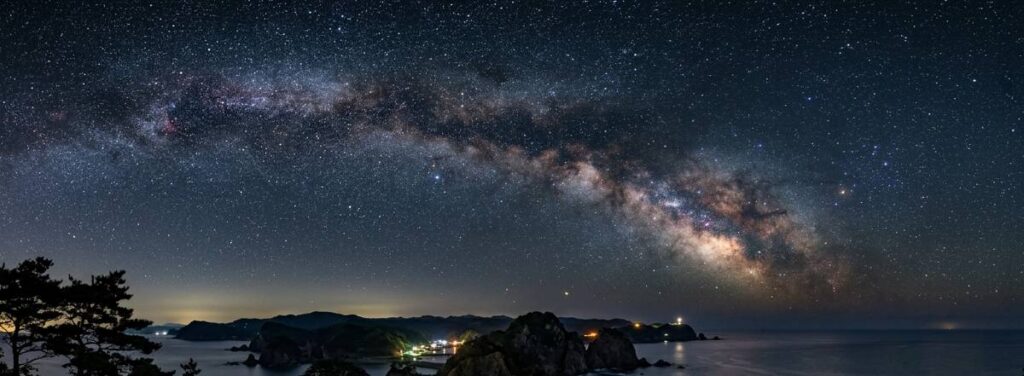
星々の深淵を覗く場所:奥州・水沢と銀河鉄道の夜空

Explore the cosmic connection in Oshu

岩手県奥州市、水沢。ここは単なる地方都市ではなく、地球の自転を測り、宇宙への扉を開く観測の聖地です。賢治が描いた銀河鉄道が駆け抜ける夜空の下、私たちは何を想うのでしょうか。

Oshu, Mizusawa in Iwate Prefecture is more than just a regional city; it is a sanctuary of observation, where the rotation of the Earth is measured and the doors to the universe are opened. Beneath the night sky through which Kenji Miyazawa’s Galaxy Railroad travels, what thoughts stir within us?

地球の揺らぎを観測する聖地
A Sacred Site for Measuring the Earth’s Wobble

1899年、世界に6つ設置された緯度観測所のひとつが、この水沢に築かれました。天文学者たちは、星の光を頼りに、地球が微妙に揺らぐ「極運動」を観測し続けてきました。この場所で空を見上げると、ただ美しいだけでなく、科学的な知的好奇心と宇宙の深遠さが交差する不思議な感覚に包まれます。澄み渡る岩手の夜空には、賢治が愛した星々が、今も変わらぬ輝きを放っています。

In 1899, one of the world’s six latitude observatories was established here in Mizusawa. Astronomers have long used the light of stars to observe the subtle wobbling of the Earth, known as “polar motion.” Gazing up at the sky from this site evokes a mysterious sensation where scientific curiosity intersects with the profound depths of the cosmos. In the clear night skies of Iwate, the very stars that Kenji Miyazawa so dearly loved continue to shine with an eternal radiance.

カテゴリー: 県南 Southern Iwate
タグ: 国立天文台水沢, 極運動, Z項, 宮沢賢治, 宇宙
アクセスポイント(座標): 39.1348, 141.1332

盛岡の土壌が育てた精神と革新:新渡戸稲造の「武士道」と原敬の「平民政治」 / The Spirit and Innovation Nurtured in Morioka: Nitobe Inazo’s

Discover the roots of Japan’s modernization in Morioka! From Nitobe Inazo’s

The Spirit and Innovation Nurtured in Morioka: Nitobe Inazo’s Bushido and Hara Takashi’s Commoner Politics

盛岡という土地は、単なる地方都市ではなく、日本の近代化を精神と政治の両面からリードした巨人たちを育んだ「知の揺籃(ようらん)」です。その象徴ともいえるのが、世界に「武士道」を知らしめた新渡戸稲造と、日本初の本格的政党内閣を組織した「平民宰相」こと原敬です。北上川の流れと岩手山の雄姿を仰ぎ見て育った彼らの足跡を辿ります。

新渡戸稲造:世界へ繋がる精神の架け橋
盛岡で生まれた新渡戸は、幼少期に培われた武士の気概と、後に学んだ西洋の倫理観を融合させ、名著『武士道』を書き上げました。彼の精神は単なるナショナリズムではなく、異文化を理解し、自らが「太平洋の橋」となろうとした国際的な視点に満ちています。

原敬:平民政治が拓いた民主主義の礎
同じく盛岡出身の原敬は、特権階級ではない「平民」としての誇りを持ち続け、大正デモクラシーの旗手として日本の議会政治を確立させました。不撓不屈の精神で時代を切り拓いた彼の姿勢は、今も盛岡の街に「革新の種」として息づいています。

この二人の歩みを知ることは、盛岡という土地がいかにして世界に通じる普遍的な精神と、時代を変える革新性を生み出してきたかを探る旅でもあります。

Morioka is not just a regional city; it is a "cradle of intellect" that nurtured giants who led Japan's modernization in both spiritual and political realms. The most iconic figures representing this legacy are Inazo Nitobe, who introduced "Bushido" to the world, and Takashi Hara (Hara Kei), the "Commoner Premier" who formed Japan's first true party cabinet. Born and raised under the gaze of Mt. Iwate and the flow of the Kitakami River, we trace the footsteps of these two men.

Inazo Nitobe: A Spiritual Bridge to the World
Born in Morioka, Nitobe fused the samurai spirit of his childhood with Western ethics to write his masterpiece, "Bushido: The Soul of Japan." His philosophy was not mere nationalism; it was filled with an international perspective aimed at understanding different cultures and becoming a "bridge across the Pacific."

Takashi Hara: The Foundation of Democracy Through Commoner Politics
Also hailing from Morioka, Takashi Hara took pride in being a "commoner" rather than part of the privileged class. As a leader of the Taisho Democracy, he established parliamentary politics in Japan. His indomitable spirit in carving out a new era still lives on as a "seed of innovation" in the streets of Morioka today.

Tracing the lives of these two men is a journey to explore how the soil of Morioka generated a universal spirit that resonates with the world and the innovativeness that changed an era.

鉛温泉の静寂と釜石の火焔:岩手近代化の深淵を辿る旅 / Silence of Namari Onsen and the Flames of Kamaishi: A Journey into the Depths of Iwate’s Modernization

岩手県の歴史を紐解くと、そこには「山」と「水」が織りなす壮大な物語が見えてきます。北上山地が育んだ豊かな資源は、古くは人々の癒やしの場となり、やがては日本の近代化を支える熱源となりました。本稿では、鉛温泉の深い立ち湯に身を沈め、静寂の中で自らと向き合ったのち、釜石・橋野鉄鉱山の轟音と火焔の歴史へと視線を移す、岩手の「静と動」を辿る旅路をご案内します。

When tracing the history of Iwate, one discovers a magnificent narrative woven by its mountains and waters. The abundant resources nurtured by the Kitakami Mountains served as a sanctuary for healing in ancient times, and eventually became the heat source that supported Japan’s modernization. In this article, we guide you on a journey of “stillness and motion,” starting with a moment of self-reflection in the deep standing baths of Namari Onsen, before shifting our gaze to the roaring history of flames at the Hashino Iron Mine in Kamaishi. This is a journey to uncover the profound depths of Iwate’s evolution.

遠野の河童から盛岡の鬼へ――岩手という名の起源を辿る神話の旅 / From Tono’s Kappa to Morioka’s Demon: A Mythical Journey Tracing the Origins of

From Tono’s Kappa to Morioka’s Demon: A Mythical Journey Tracing the Origins of Iwate

岩手県という名前そのものが、実はひとつの巨大な神話によって刻印されていることをご存知でしょうか。この地は、目に見えない存在たちが人間と共生し、時には歴史を動かしてきた「物語の集積地」です。今回は、遠野の象徴である「河童」から、県都・盛岡の名の由来となった「鬼」の伝説まで、岩手の精神的なルーツを辿る旅へご案内します。

遠野の河童:異界との境界線
遠野物語で語られる河童は、単なる愛らしいキャラクターではありません。それは、自然の猛威や人知を超えた現象の象徴であり、人間が「異界」に対して抱く畏怖の念が形を成したものです。カッパ淵の静寂の中に身を置くと、現代社会が忘れ去った「自然への謙虚さ」を思い起こさせます。

盛岡の鬼と「岩手」の起源
一方、盛岡市の三ツ石神社には、さらにダイナミックな神話が残っています。かつてこの地で暴れていた鬼「羅刹」が、神様の力に屈し、二度と悪さをしない誓いとして巨大な岩に手形を残しました。これこそが「岩に手形」、つまり**「岩手」**という県名の由来そのものなのです。

遠野の水の精霊と、盛岡の岩の巨像。これら二つの物語を繋ぐことは、岩手という土地が持つ「目に見えない力」を紐解く作業に他なりません。


Did you know that the name "Iwate" itself is inscribed by a single, grand myth? This land is a "collection of narratives" where invisible beings have coexisted with humans and, at times, shaped history. In this article, we journey through Iwate’s spiritual roots, from the "Kappa" (water imps)—the symbols of Tono—to the legend of the "Demon" that gave the capital city of Morioka its name.

Tono’s Kappa: The Boundary with the Otherworld
The Kappa depicted in "The Tales of Tono" are more than just cute characters. They represent the fury of nature and phenomena beyond human understanding—the embodiment of the awe humans felt toward the "otherworld." Standing in the silence of Kappabuchi pool reminds us of the "humility toward nature" that modern society has long forgotten.

The Demon of Morioka and the Origin of "Iwate"
Meanwhile, at Mitsuishi Shrine in Morioka City, an even more dynamic myth remains. Long ago, a demon named "Rasetsu" who terrorized the area was defeated by the power of a god. As a vow never to cause trouble again, he left his handprint on a massive rock. This "handprint on the rock" (Iwa-te) is the very origin of the prefecture's name.

From the water spirits of Tono to the stone monoliths of Morioka—connecting these two stories is nothing less than unraveling the "invisible power" that the land of Iwate holds.

南部曲り家の「絆」が拓いた近代化:釜石・橋野鉄鉱山と牛馬の輸送史 / The Bond of the Nanbu Magariya: How Horsepower Powered the Modernization of Kamaishi’s Hashino Iron Mine

Ever wondered how Japan’s industrial revolution began? It started with the bond between humans and horses in the Nanbu region. Discover the history of the Hashino Iron Mine and the legacy of the Magariya. A must-see in Iwate! #VisitIwate #Morioka #Kamaishi #History

[Area] Coast
[Category] Landmarks & History

岩手の風景を象徴する「南部曲り家」。L字型のこの家屋は、単なる建築様式ではありません。そこには、人と馬が家族同然に暮らす、この土地特有の深い共生関係が刻まれています。この「馬を愛し、共に生きる」という南部地方の文化が、実は明治時代の日本の近代化を支える巨大なエンジンとなっていたことは、あまり知られていません。今回は、世界遺産・橋野鉄鉱山へと続く歴史の点と線を紐解きます。

The Bond of the Nanbu Magariya: How Horsepower Powered the Modernization of Kamaishi’s Hashino Iron Mine

The “Nanbu Magariya” is an iconic symbol of the Iwate landscape. These L-shaped farmhouses are more than just an architectural style; they represent a deep, symbiotic relationship unique to this land, where humans and horses lived together as family. It is a little-known fact that this culture of “loving and living with horses” in the Nanbu region actually served as a powerful engine supporting Japan’s modernization during the Meiji era. In this article, we unravel the historical “dots and lines” that lead up to the World Heritage site, the Hashino Iron Mine.

遠野物語』からイーハトーブへ:岩手が紡ぐ幻想と現実の境界線

岩手県は、単なる地理的な場所ではありません。そこは、日本の深層心理に根ざした「物語」が息づく場所です。遠野の山々が囁く古の伝承と、花巻の空に宮沢賢治が描いた理想郷。この二つの視点は、岩手の精神的なランドスケープを理解するための「点と線」となります。本稿では、民俗学の聖地・遠野と、詩人の理想郷・花巻を巡り、岩手が持つ独特の物語宇宙を紐解きます。

From “The Tales of Tono” to Ihatov: The Boundary Between Fantasy and Reality Woven by Iwate

Iwate Prefecture is more than just a geographical location; it is a place where “narratives” rooted in the deep psyche of Japan breathe and thrive. From the ancient folklore whispered by the mountains of Tono to the utopia of “Ihatov” envisioned by Kenji Miyazawa in the skies of Hanamaki—these two perspectives act as the “dots and lines” that define Iwate’s spiritual landscape. In this article, we journey through Tono, the sacred land of folklore, and Hanamaki, the poet’s ideal world, to unravel the unique narrative universe that Iwate holds.

遠野の霊気から二戸の湯けむりへ:南部藩に息づく伝承と癒やしの旅 / From Tono’s Spirits to Ninohe’s Steam: A Journey into the Folklore and Healing Traditions of the Nanbu Domain

Explore the mysterious legends of Tono and the healing waters of Kindaichi Onsen. A journey through the history of the Nanbu Domain awaits in Iwate. Discover the intersection of spirit and rest. #VisitIwate #Morioka #Tono #KindaichiOnsen #JapanHistory

[Area] North
[Category] Landmarks & History

遠野の「異界」と、二戸の「湯治」。一見すると遠く離れた二つの文化ですが、かつて岩手を治めた南部藩という大きな歴史の枠組みの中で、これらは密接に繋がっています。遠野で育まれた「座敷わらし」の伝承が示すのは、人間と精霊が隣り合わせで暮らす世界観。そして、県北の金田一温泉で受け継がれてきた湯治文化は、厳しい北国の冬を生き抜くための身体的知恵です。本記事では、岩手の精神性と身体性が交差する歴史の旅路を辿ります。

From Tono’s Spirits to Ninohe’s Steam: A Journey into the Folklore and Healing Traditions of the Nanbu Domain

The “otherworld” of Tono and the “hot spring healing” (toji) of Ninohe. At first glance, these may seem like two separate cultures, but they are deeply intertwined within the grand historical framework of the Nanbu Domain, which once ruled over Iwate. The legend of the Zashiki-warashi born in Tono reveals a worldview where humans and spirits coexist side by side. Meanwhile, the toji culture preserved at Kindaichi Onsen in the north represents the physical wisdom necessary to survive the brutal winters of the northern lands. In this article, we trace a historical journey where Iwate’s spirituality and physicality intersect.

岩手の食の源流、軽米の雑穀とわんこそばの物語 / The Roots of Iwate’s Flavor: Millet Culture in Karumai and the Story of Wanko Soba

わんこそばの精神と雑穀の記憶

岩手の代名詞として知られる「わんこそば」。次々と椀に投げ入れられるその華やかなおもてなしの裏には、実は厳しい北の地で育まれた「雑穀」という、もう一つの逞しい食の系譜があります。わんこそばが「ハレ(非日常)」の祝祭的な食であるならば、県北・軽米町(かるまいまち)で受け継がれてきた雑穀文化は、この地の人々を支え続けてきた「ケ(日常)」の生命線です。岩手の歴史パズルを解くように、この二つの食の接点を探ってみましょう。

The Spirit of Wanko Soba and the Memory of Millet

Wanko Soba is synonymous with Iwate. Yet, behind this flamboyant display of hospitality, where noodles are tossed into bowls in rapid succession, lies another resilient lineage of food nurtured in the harsh northern climate: millet (zakkoku).

If Wanko Soba represents the festive, extraordinary meals of hare (special occasions), then the millet culture passed down in the northern town of Karumai is the lifeline of ke (everyday life) that has long sustained the people of this region. Let’s explore the intersection of these two culinary traditions, as if piecing together the historical puzzle of Iwate.

カテゴリー: 県北 Northern Iwate
タグ: わんこそば, 雑穀, ハレとケ, 軽米町, 食文化
アクセスポイント(座標): 40.3262, 141.4607

八幡平・松川:大地の鼓動をエネルギーに変える、火山の聖地 / Hachimantai & Matsukawa: The Sacred Volcanic Land Where the Earth’s Pulse Becomes Energy

p>盛岡から北へ車を走らせると、八幡平の深い原生林の中に、突如として白い蒸気が天へ昇る光景が現れます。ここは単なる山岳リゾートではありません。日本が誇る「地熱発電」の歴史が刻まれた、地球のエネルギーが今も脈動し続ける聖地なのです。

Heading North from Morioka, you encounter a striking sight: white steam billowing into the sky from within the primeval forests of Hachimantai. This is not merely a mountain resort; it is a sacred site where the history of Japan’s geothermal energy was born, and where the Earth’s power continues to pulse beneath our feet.

荒ぶる火山の息吹を感じる絶景 / A Landscape Breathing with Volcanic Power

松川エリアに足を踏み入れると、独特の硫黄の香りと、いたるところから噴き出す水蒸気が、この地が生きている火山であることを五感に伝えてきます。八幡平の雄大な景色は、悠久の時を経て形成された火山の恵みそのものです。特に秋の紅葉シーズン、燃えるような赤と黄色に染まった渓谷から立ち上る白い湯気は、自然の力強さと神秘を同時に感じさせる、岩手屈指の絶景です。

Stepping into the Matsukawa area, the distinct scent of sulfur and the steam rising from the ground remind you that this is a living volcano. The magnificent scenery of Hachimantai is a gift forged by volcanic activity over eons. Especially during the autumn foliage season, the sight of white steam rising from the blazing red and yellow gorge creates one of Iwate’s most breathtaking vistas—a perfect harmony of natural power and mystery.

1966年の挑戦:地熱を未来の光に / The 1966 Challenge: Turning Geothermal Heat into Future Light

この景色の裏側には、日本のエネルギー史を塗り替えた物語があります。1966年、この松川の地で、日本初の商業用地熱発電所が稼働しました。かつては「恐ろしい山」として畏れられた火山が、技術の進歩によって「クリーンなエネルギーの源」へと生まれ変わったのです。岩手の自然が持つ熱を、ただ眺めるだけでなく、未来を照らす光に変える。この地熱発電所は、人間と自然が共生する新しい時代の象徴として、今も静かに稼働し続けています。

Behind this scenery lies a story that reshaped Japan’s energy history. In 1966, the Matsukawa Geothermal Power Plant—Japan’s first commercial geothermal plant—began operation here. A volcano once feared as a fearsome mountain has been reborn as a “source of clean energy” through technological advancement. Rather than merely observing the heat inherent in Iwate’s nature, it converts it into light that illuminates the future. This geothermal power plant continues to operate quietly today, standing as a symbol of a new era where humanity and nature coexist in harmony.